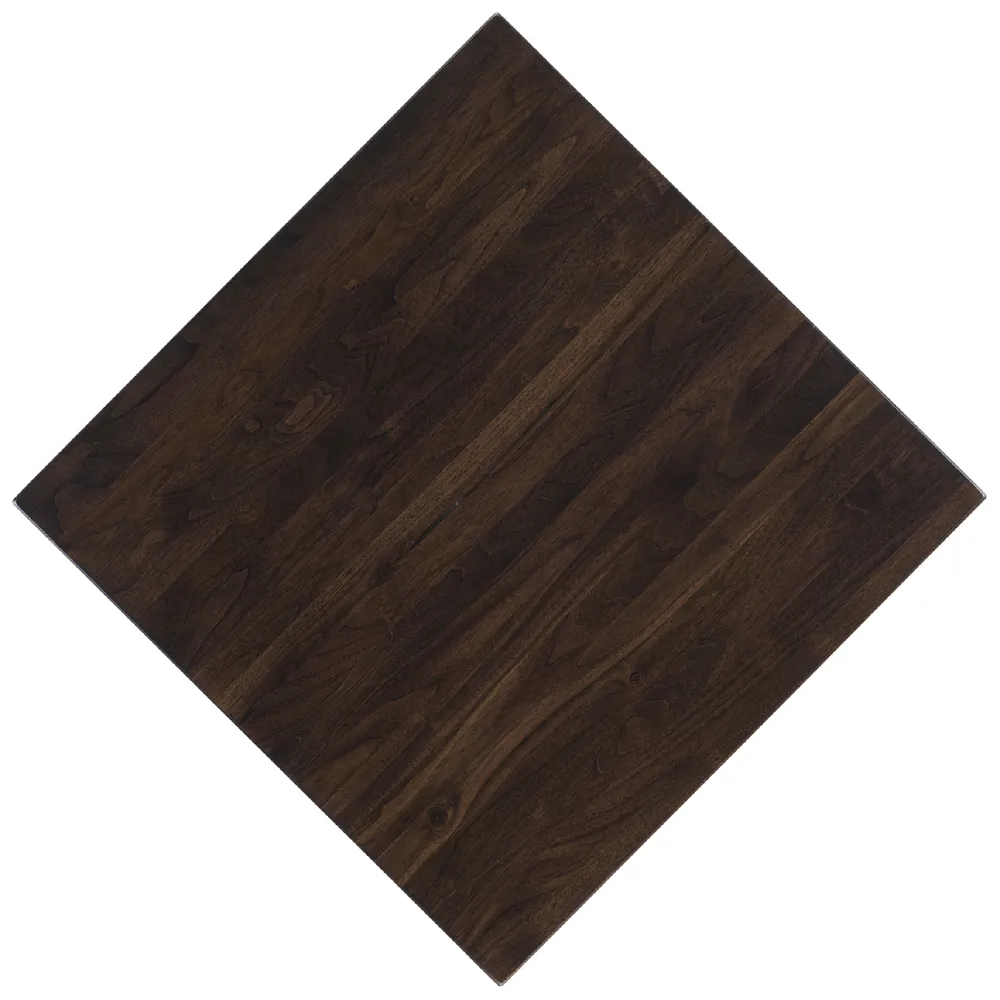

Best Tabletop Style Options
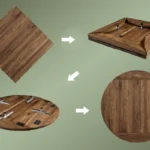
Choosing the Best Tabletop Style Options starts with clear goals, realistic traffic modeling, and brand alignment across rooms. Then evaluate thickness, grain orientation, and edge details, because these elements shape sightlines, comfort, and server maneuverability. Finally, map sizes to chair counts and aisle widths so turnover improves without sacrificing hospitality or table presence.
Pro Tip
Test a full mockup with plates, glassware, and chairs, and verify reach distance, chair egress, and tray paths.
Classic Line
With 1½″ thickness and 100% quarter-sawn structure, the Classic Line resists movement and maintains clean, consistent grain. Tight 1⅛″–1⅜″ staves present refined rhythm across large rooms, while standardized specs simplify rollouts and multi-unit reorders.
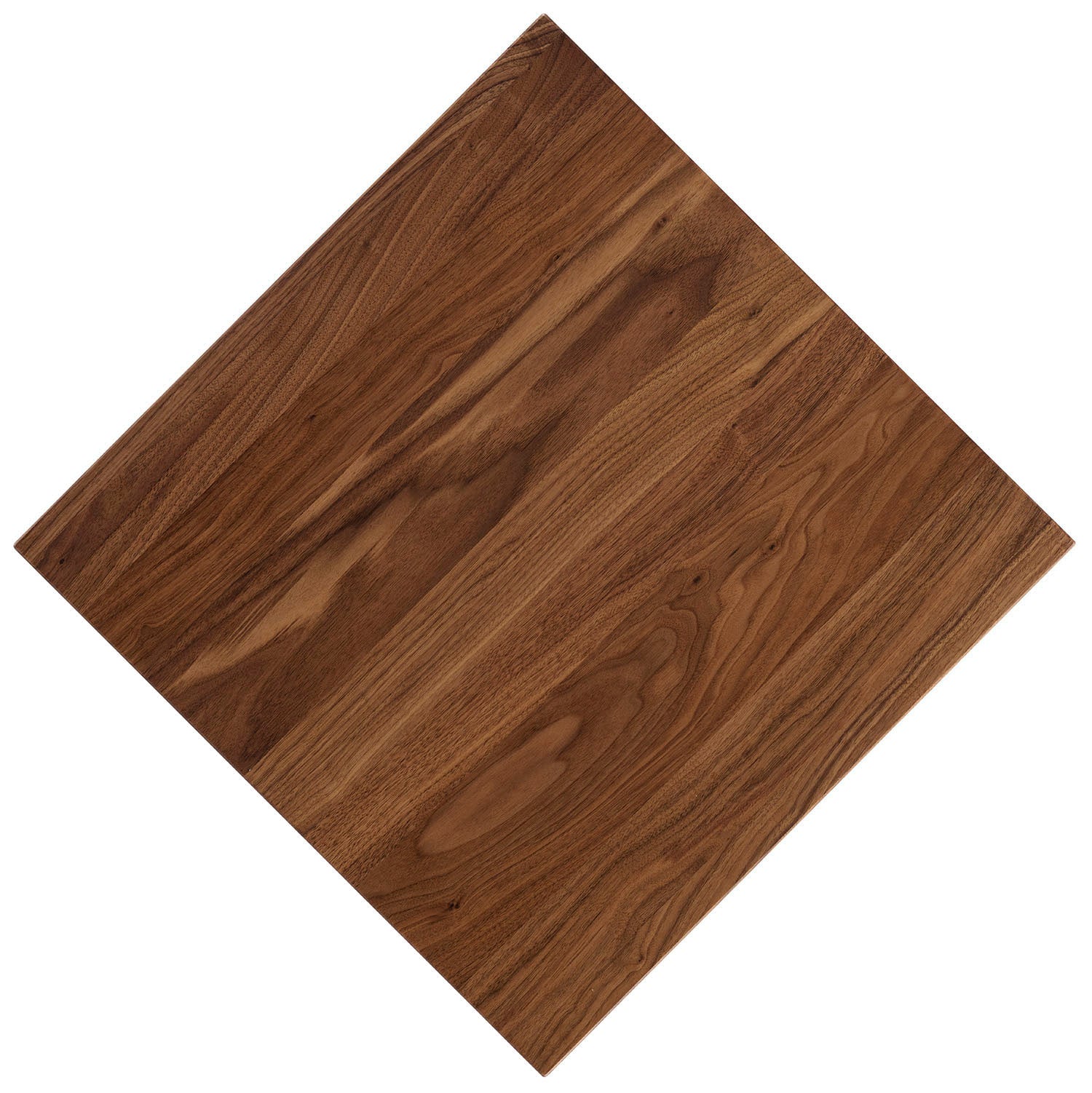
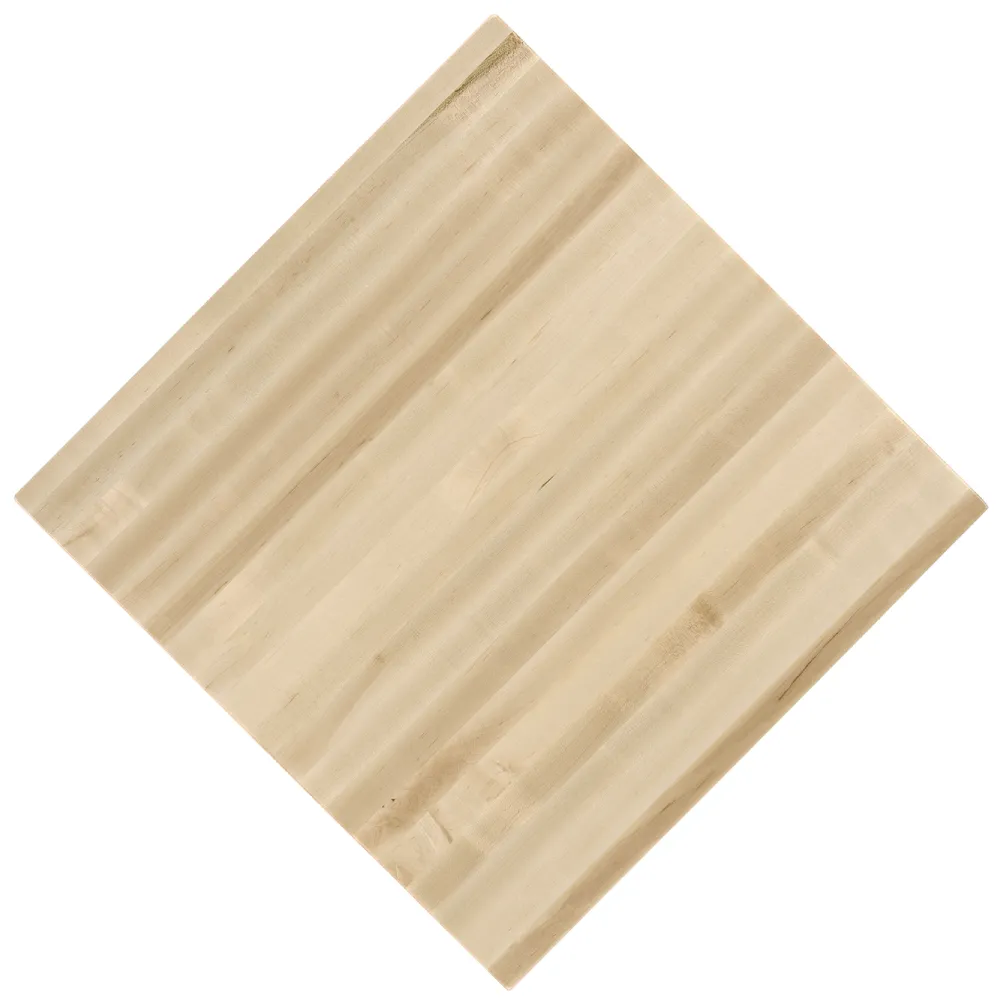
Butcher Block
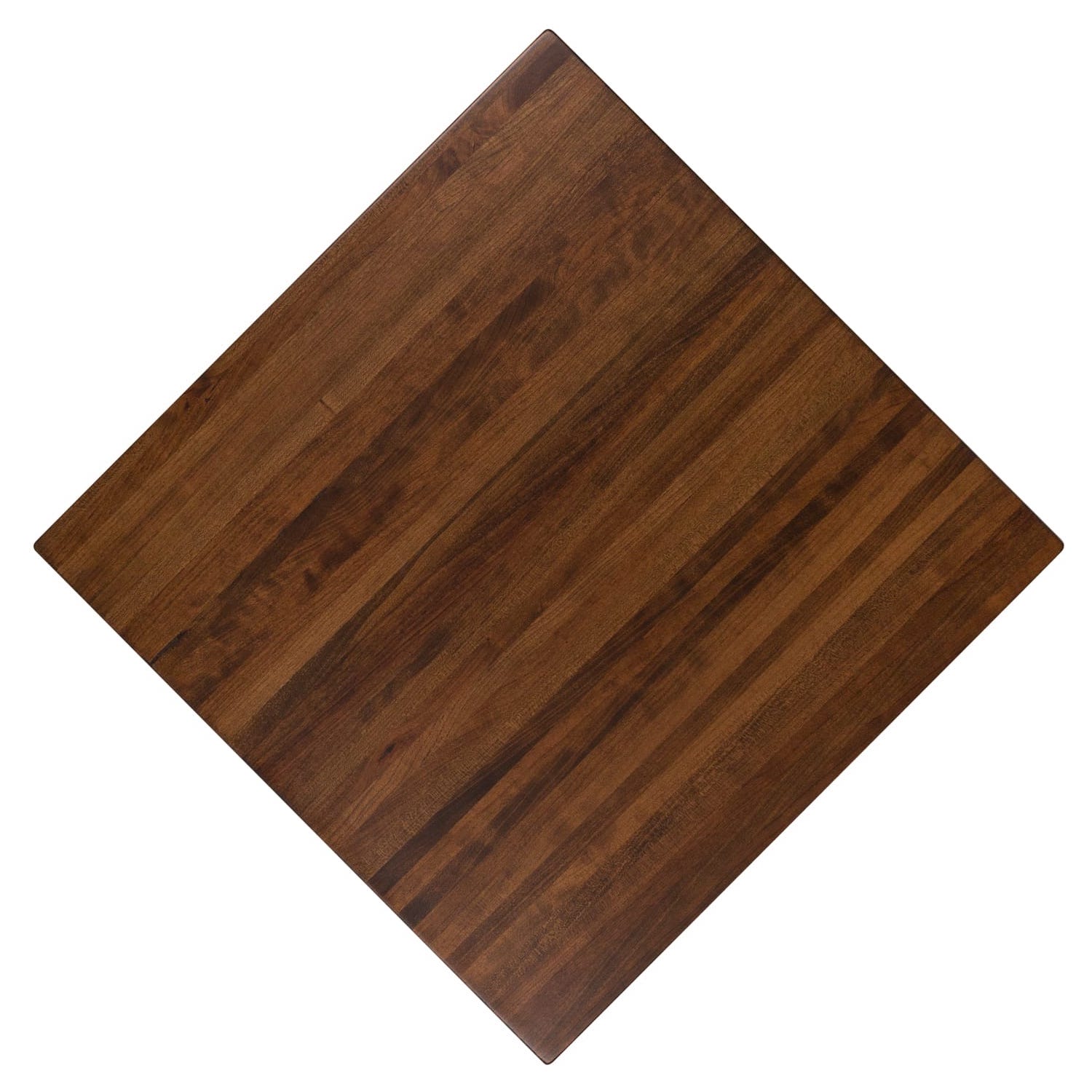
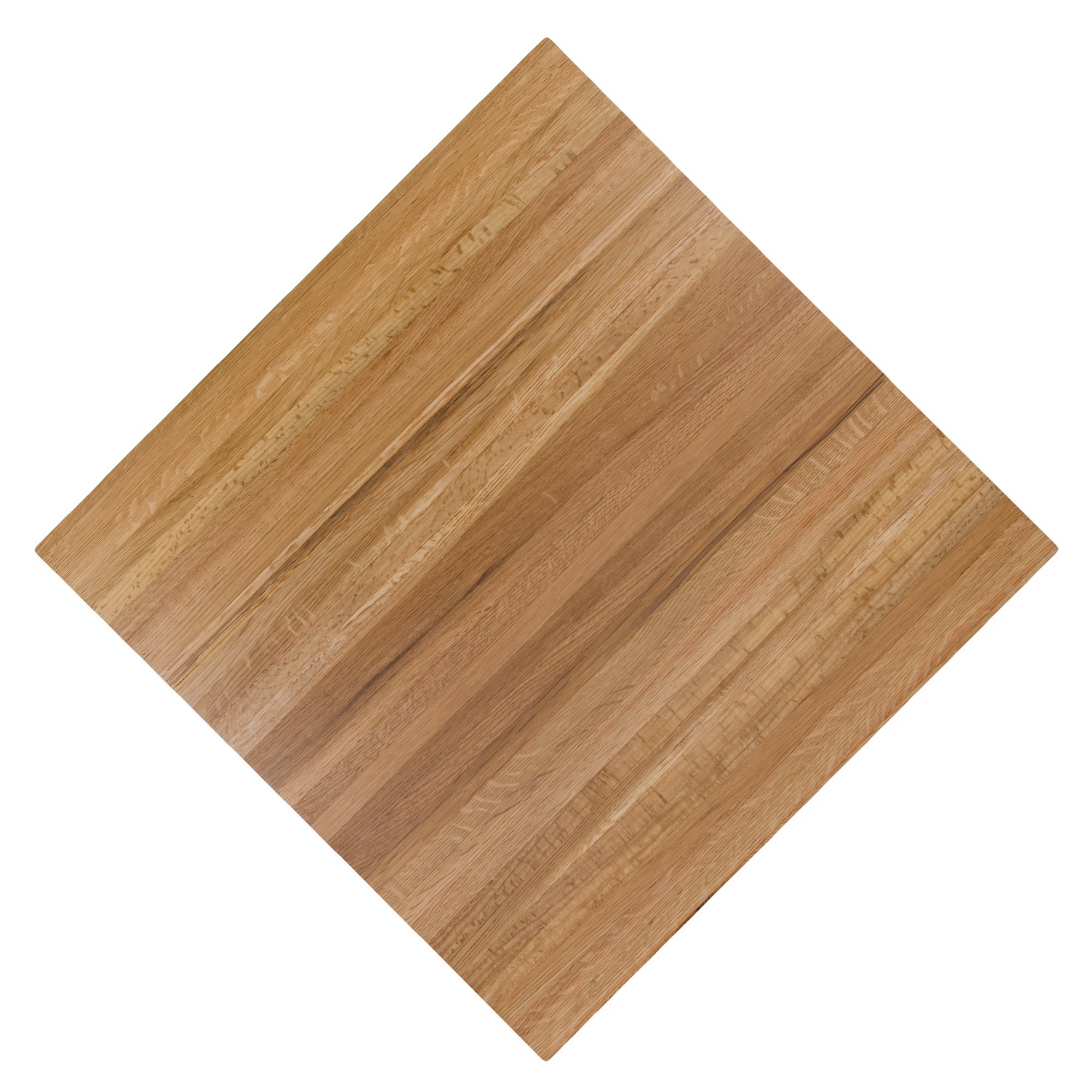
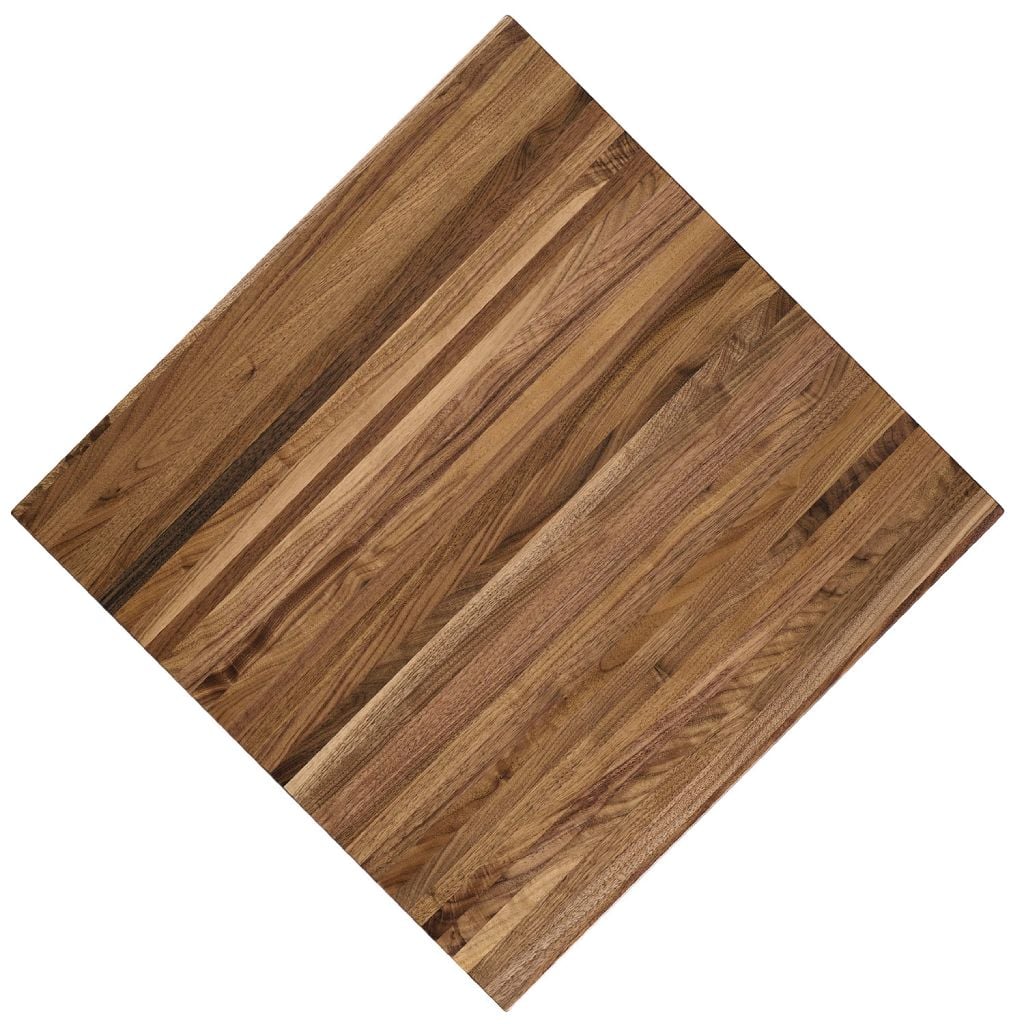
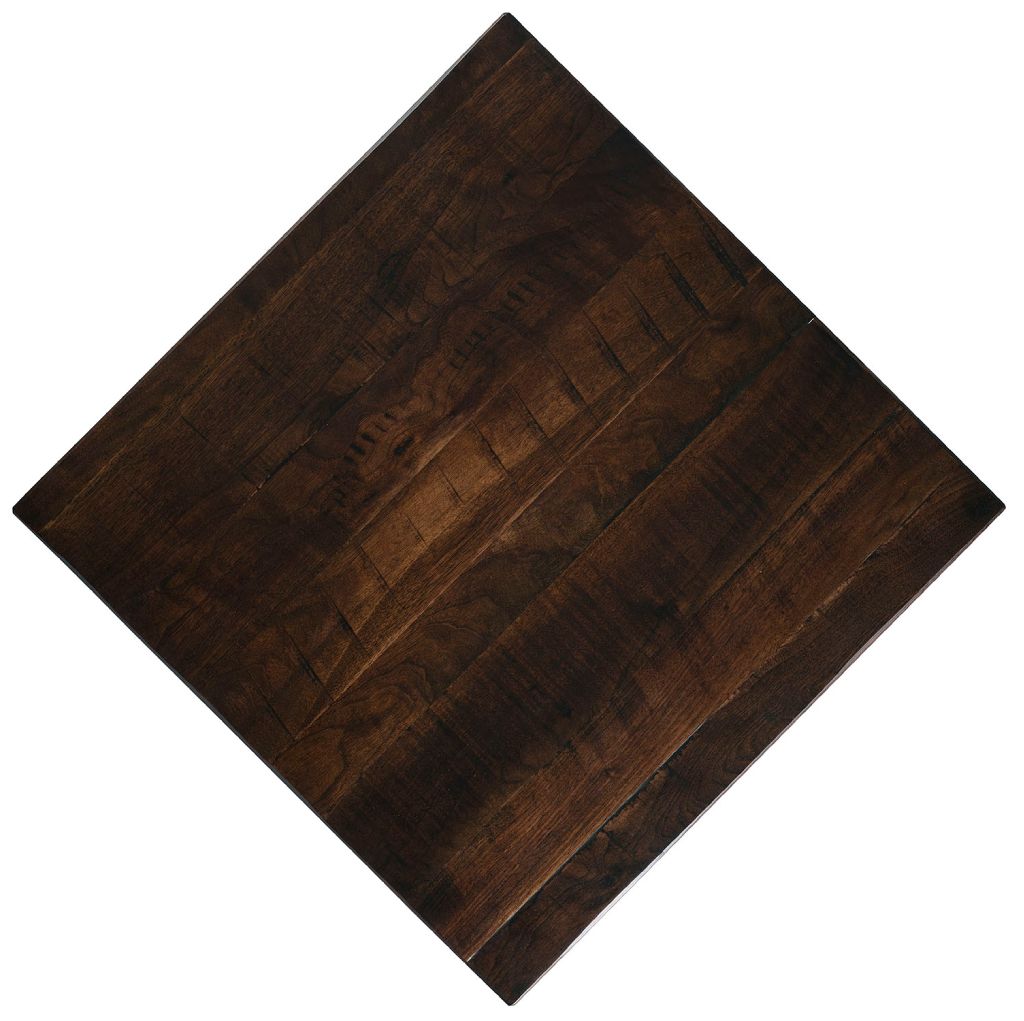
Edge-grain construction gives Butcher Block a warm, uniform read that suits bistros, bakeries, and contemporary casual programs. Choose walnut for rich depth, or specify maple and oak for brighter palettes that support light, seasonal menu presentations.
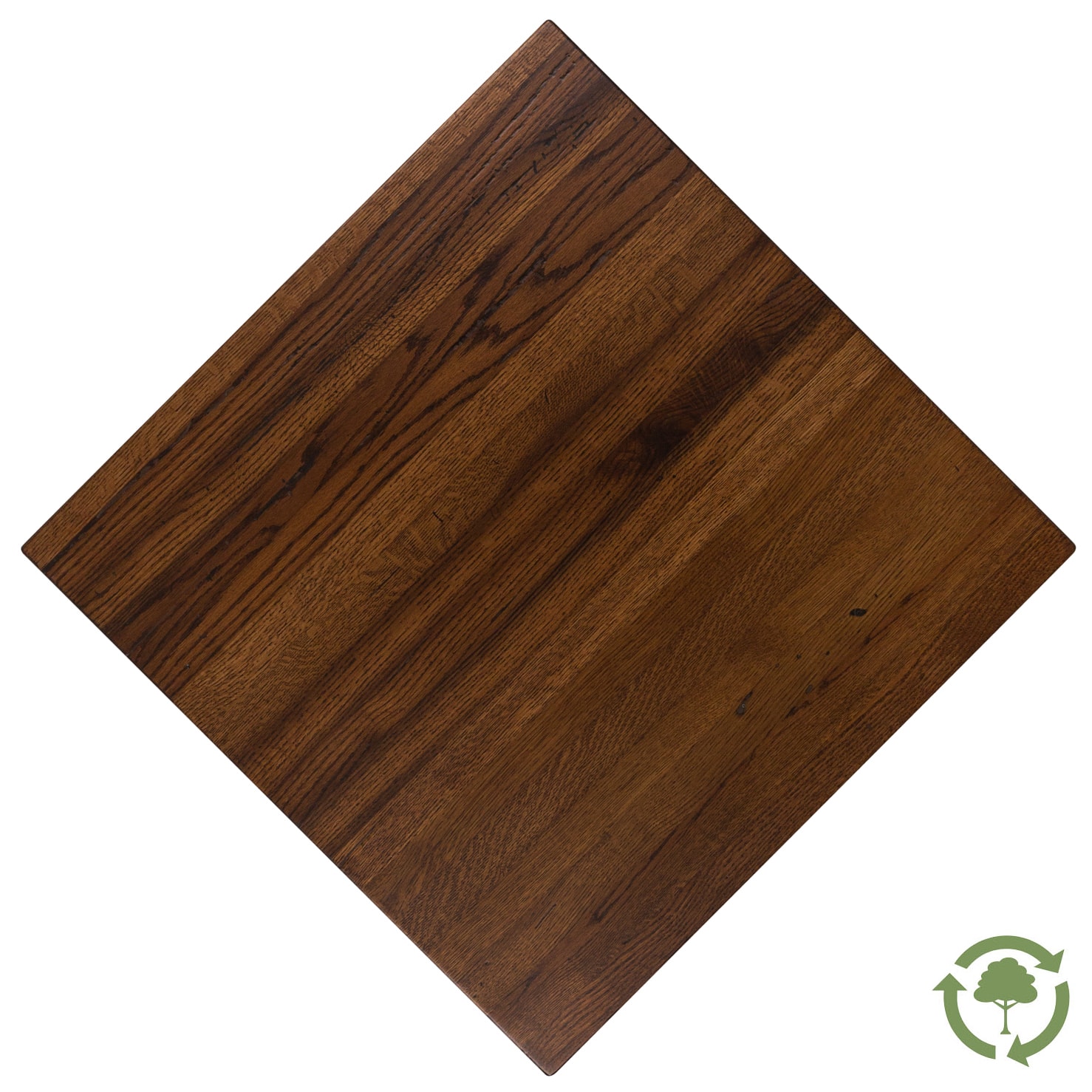
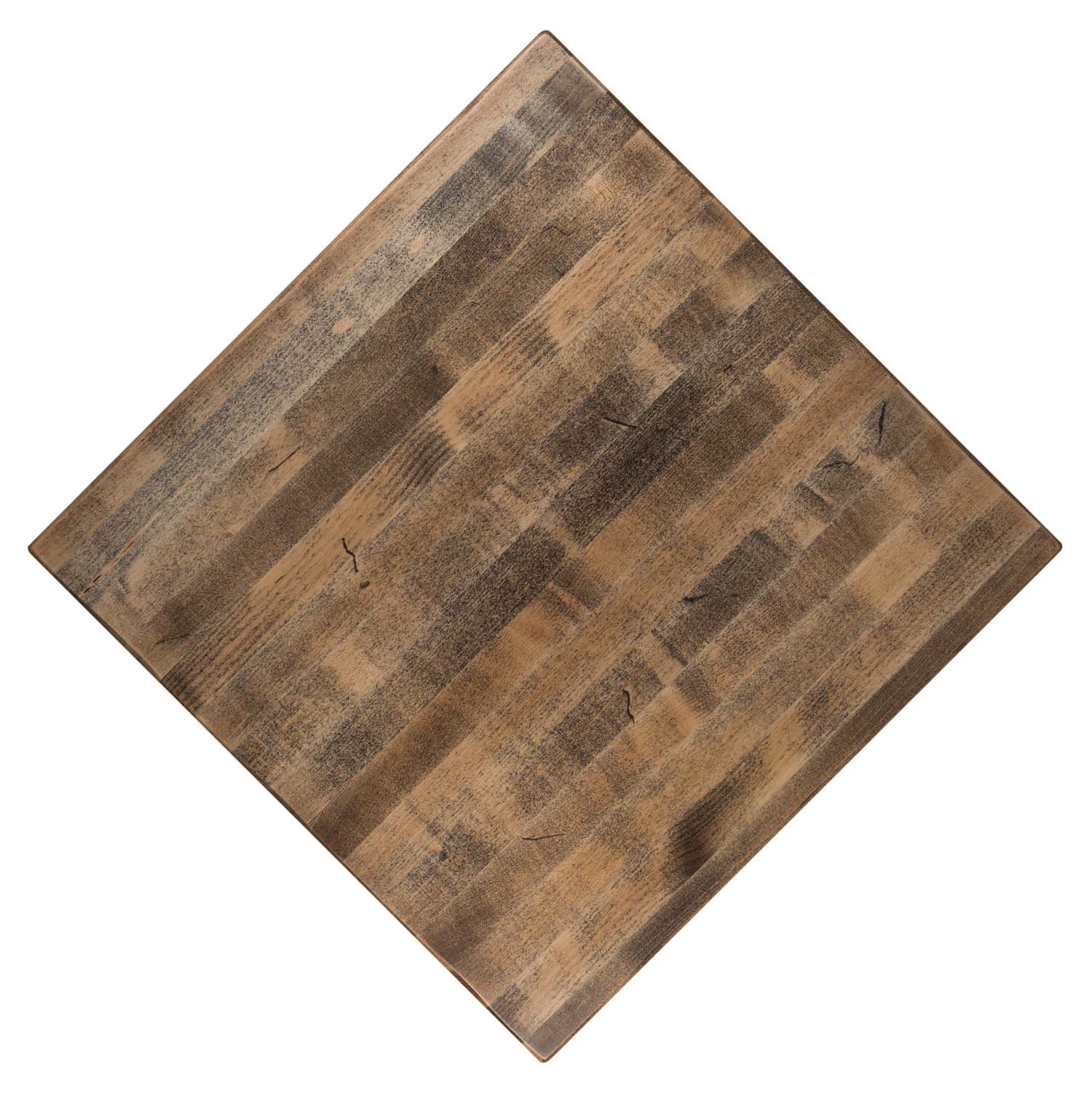
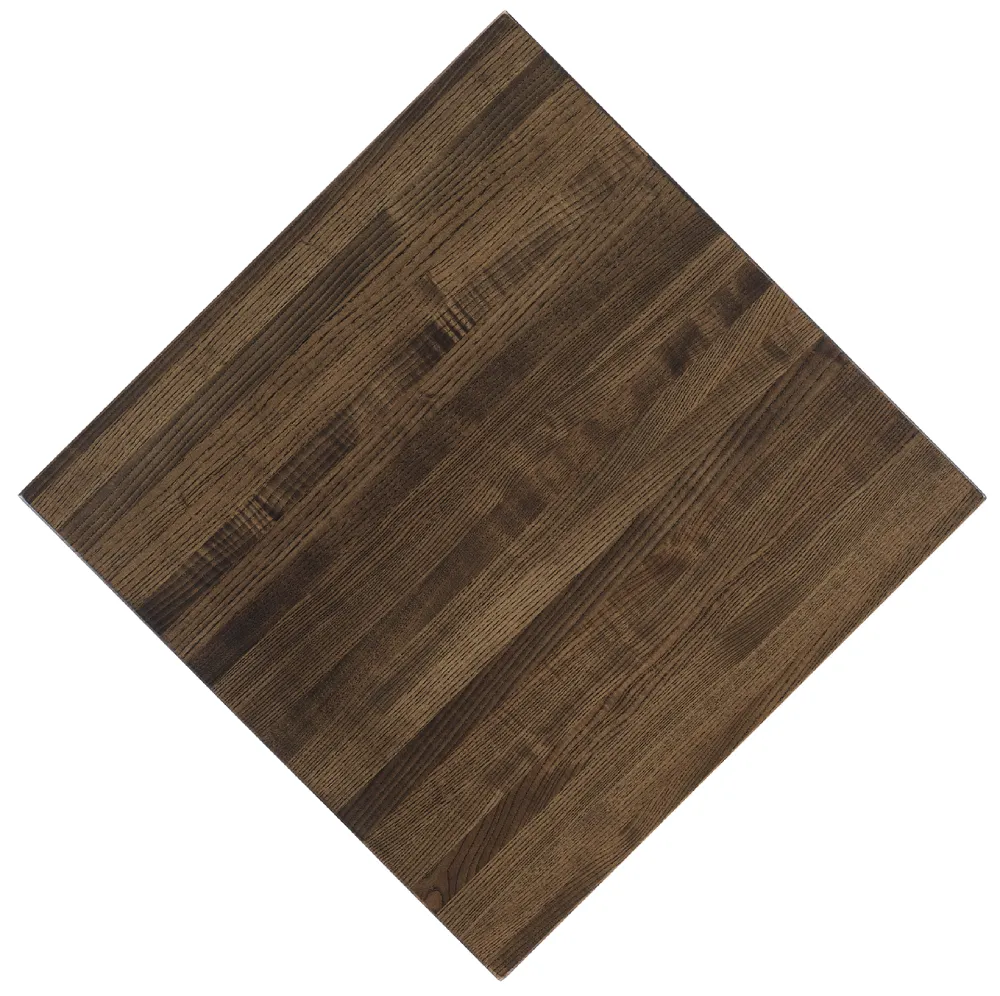
Distressed
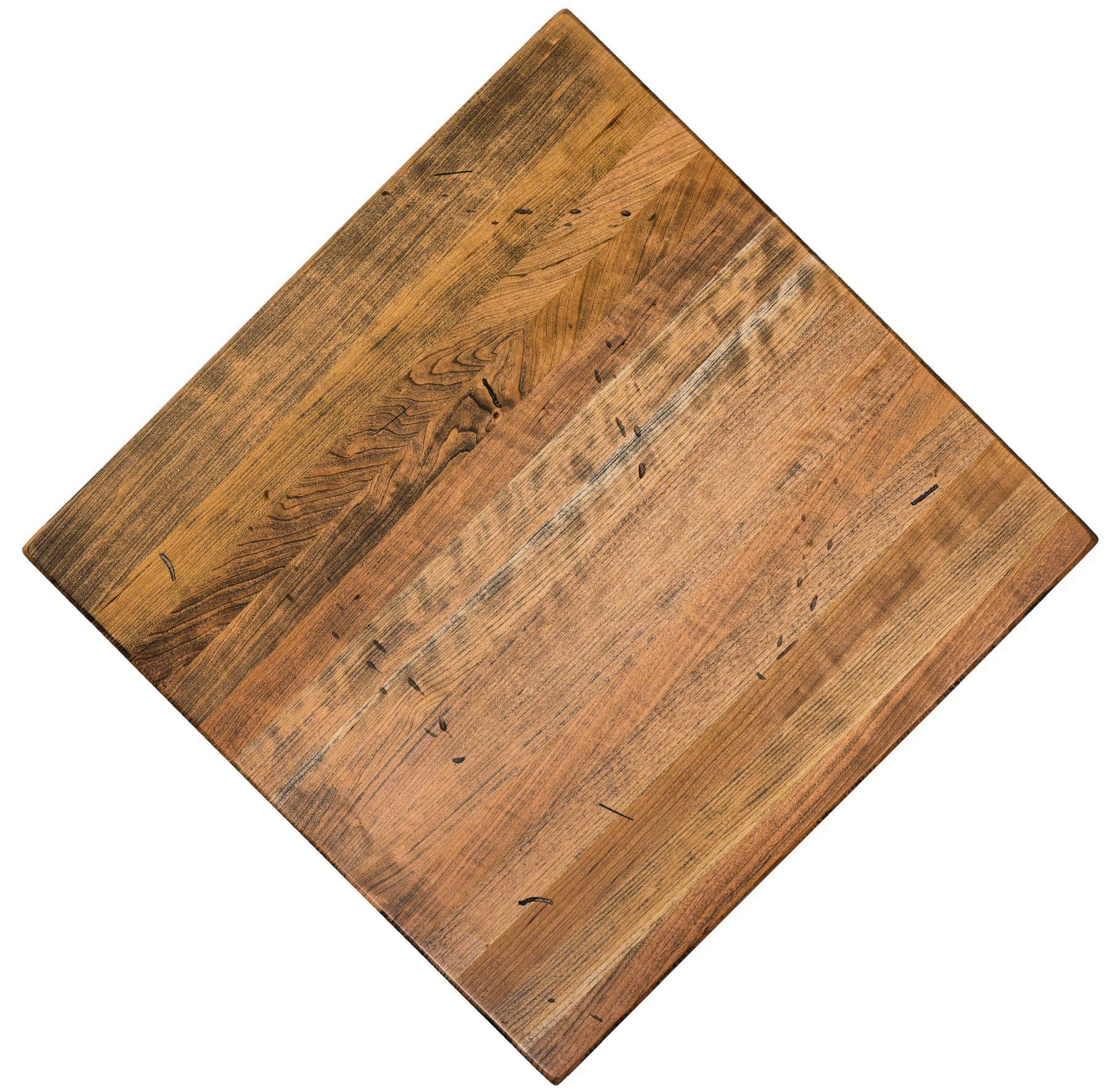
Distressed brings intentional, hand-aged character that reads lived-in, while softened edges improve comfort and reduce corner chipping. It photographs reliably from day to night, and pairs naturally with layered textures, warm lighting, and relaxed brand stories.
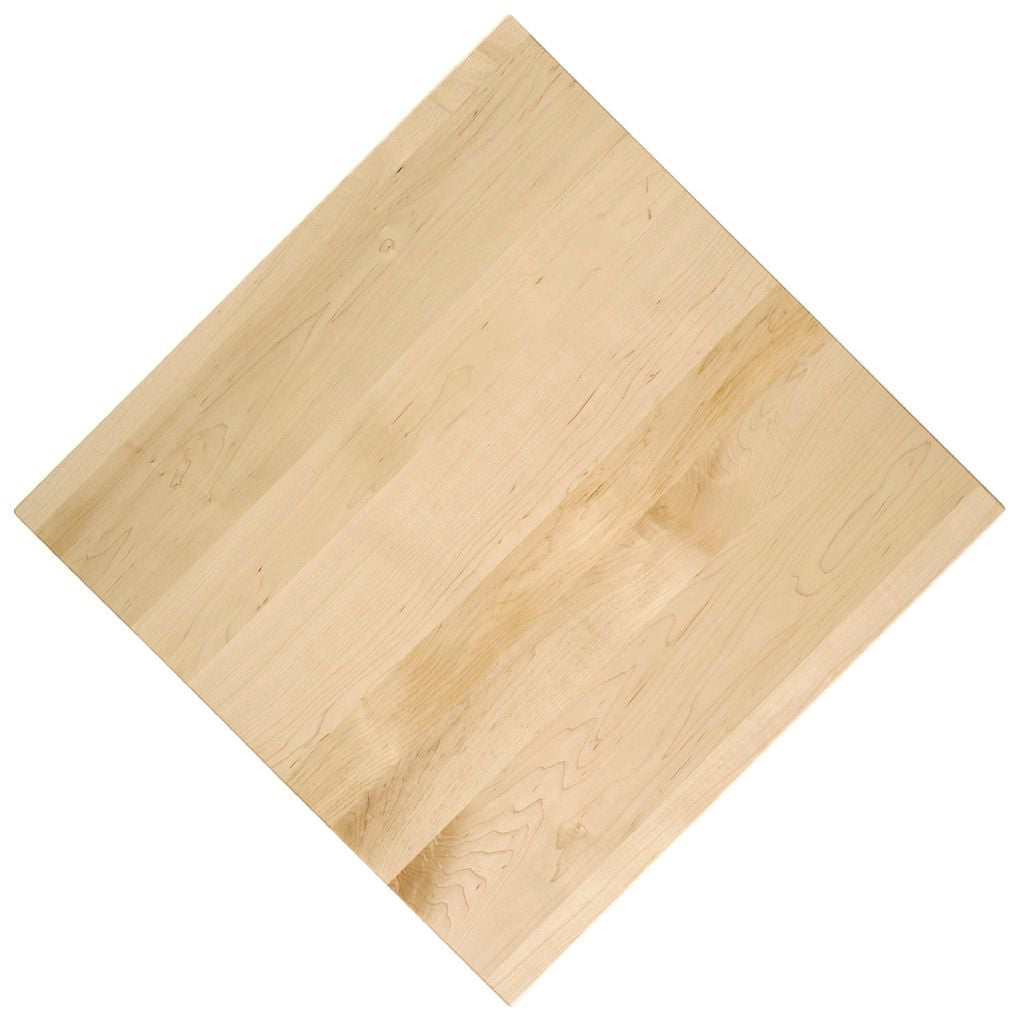
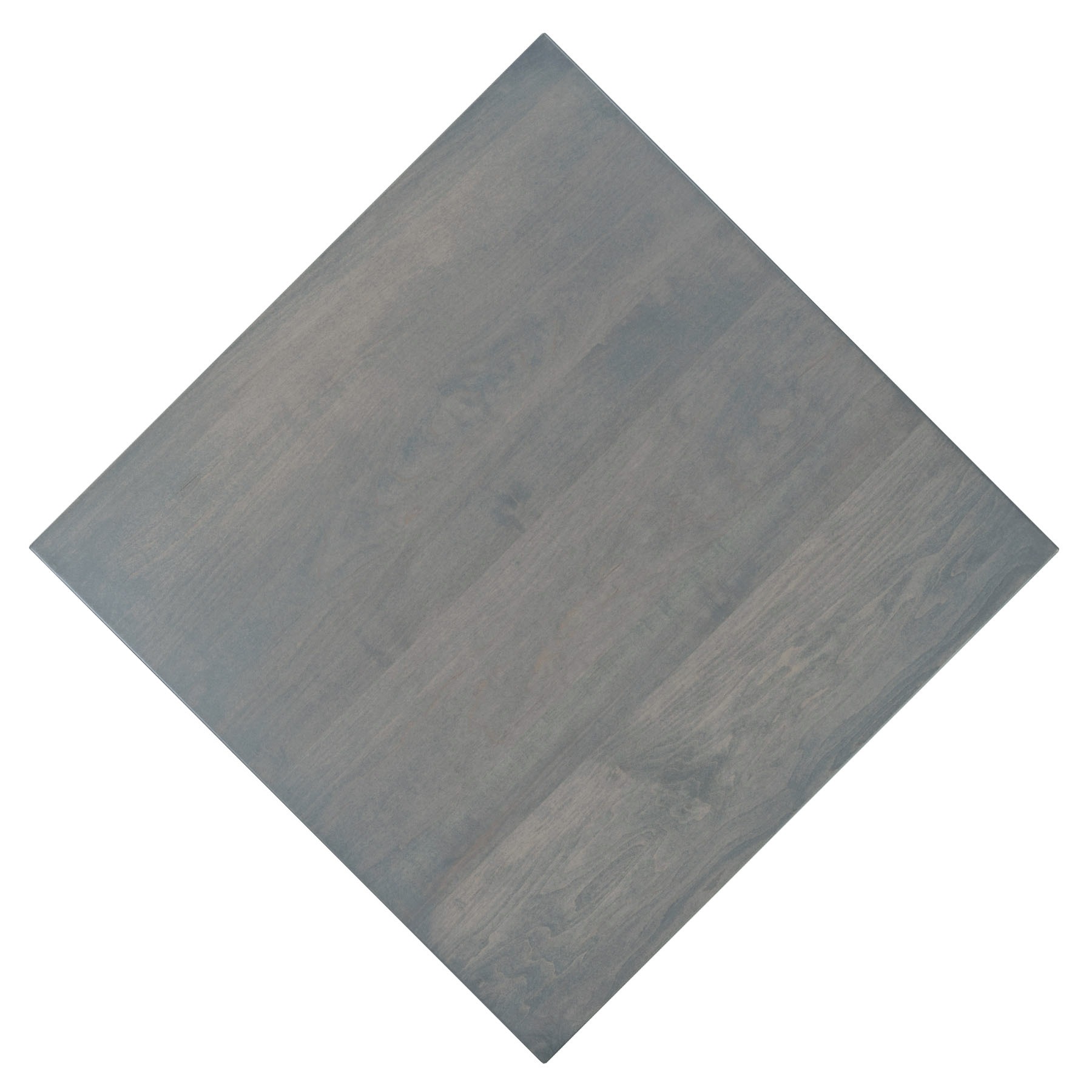
Mixed Plank
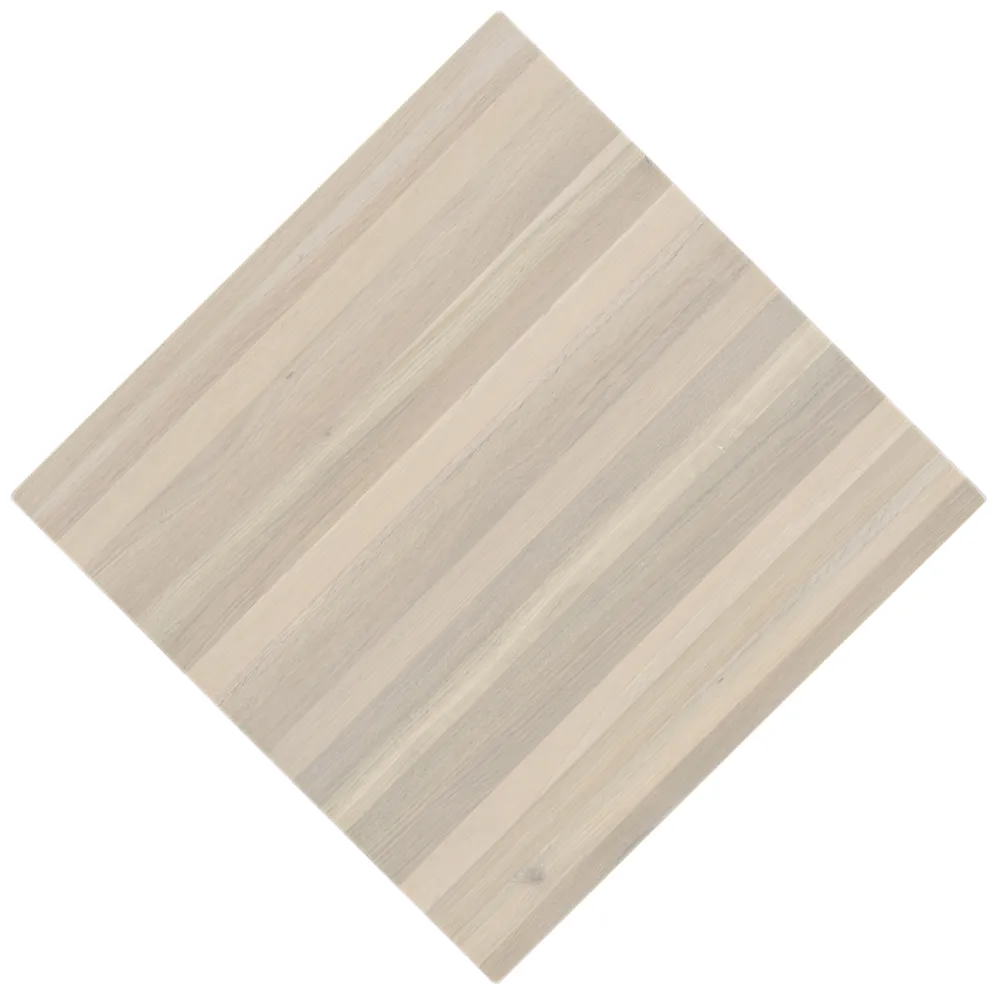
Alternating widths give Mixed Plank the wide-plank look without visual noise, creating movement that stays composed in service. Designers use it to add subtle energy in modern rooms, while maintaining smooth hand feel and predictable day-two performance.
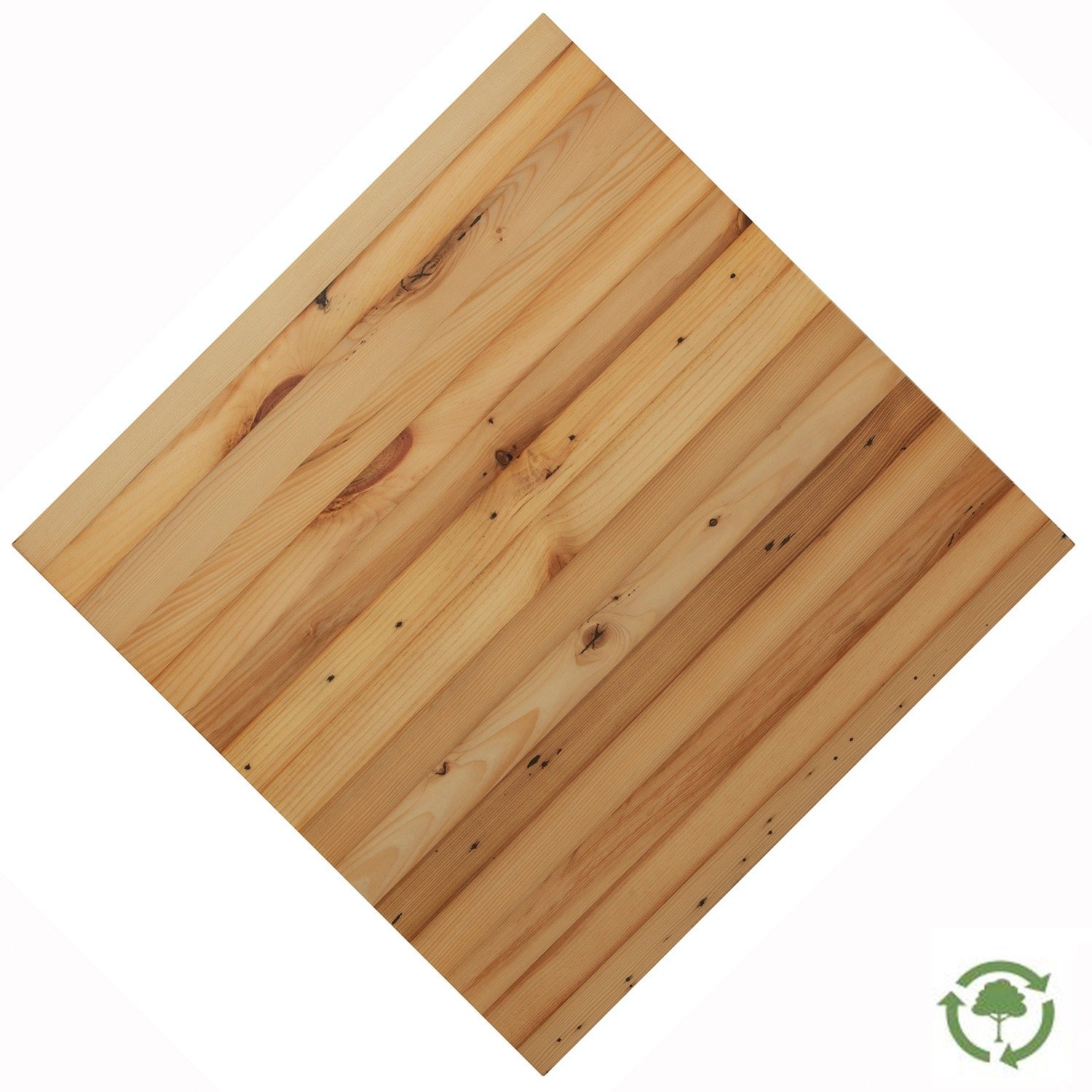
Rustic Texture
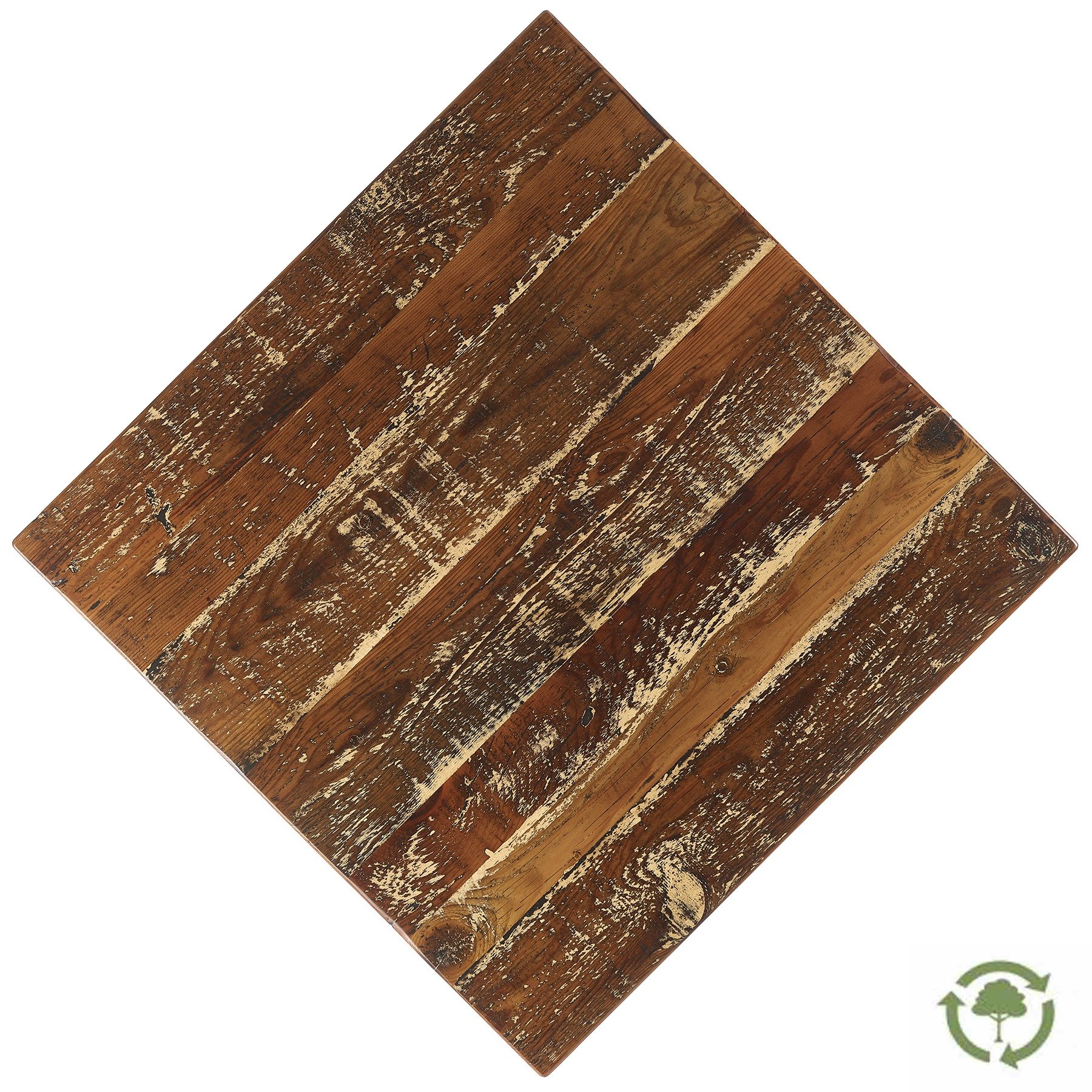
Rustic Texture keeps solid wood’s soul while presenting sealed character marks and softened corners that feel confident in hand. Its warm, authentic read supports cozy interiors and brand storytelling, yet still aligns with polished, design-forward hospitality expectations.
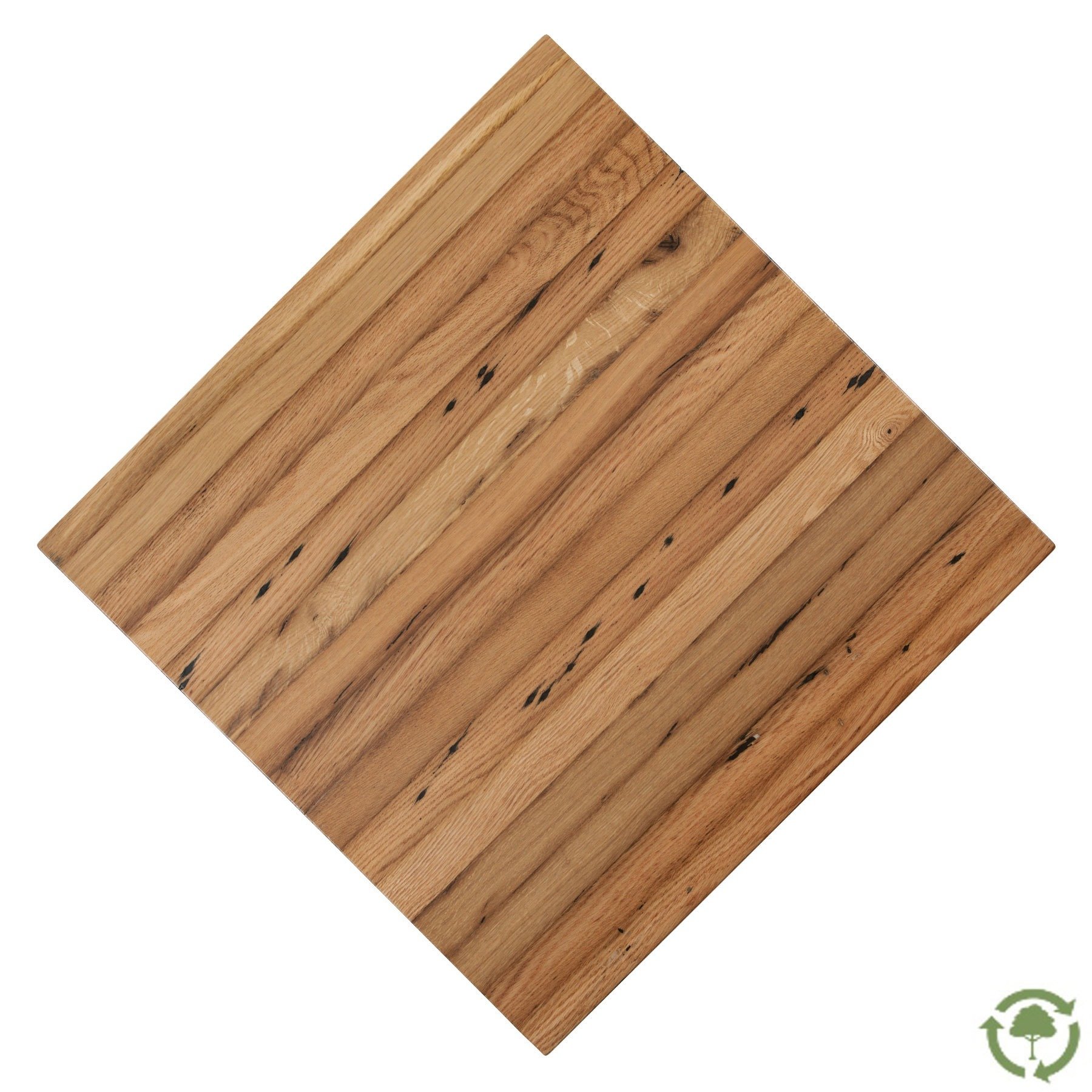
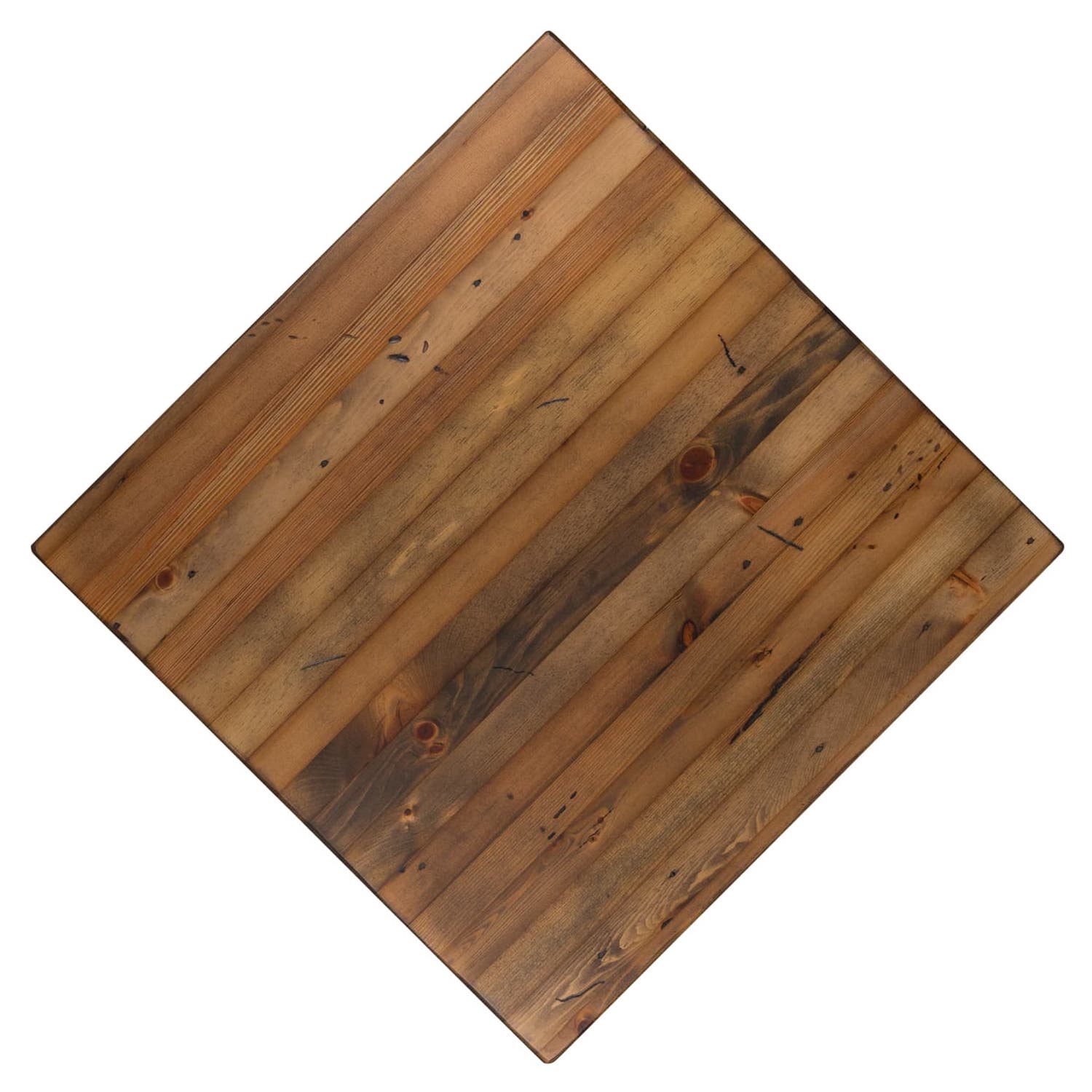
Standard Plank
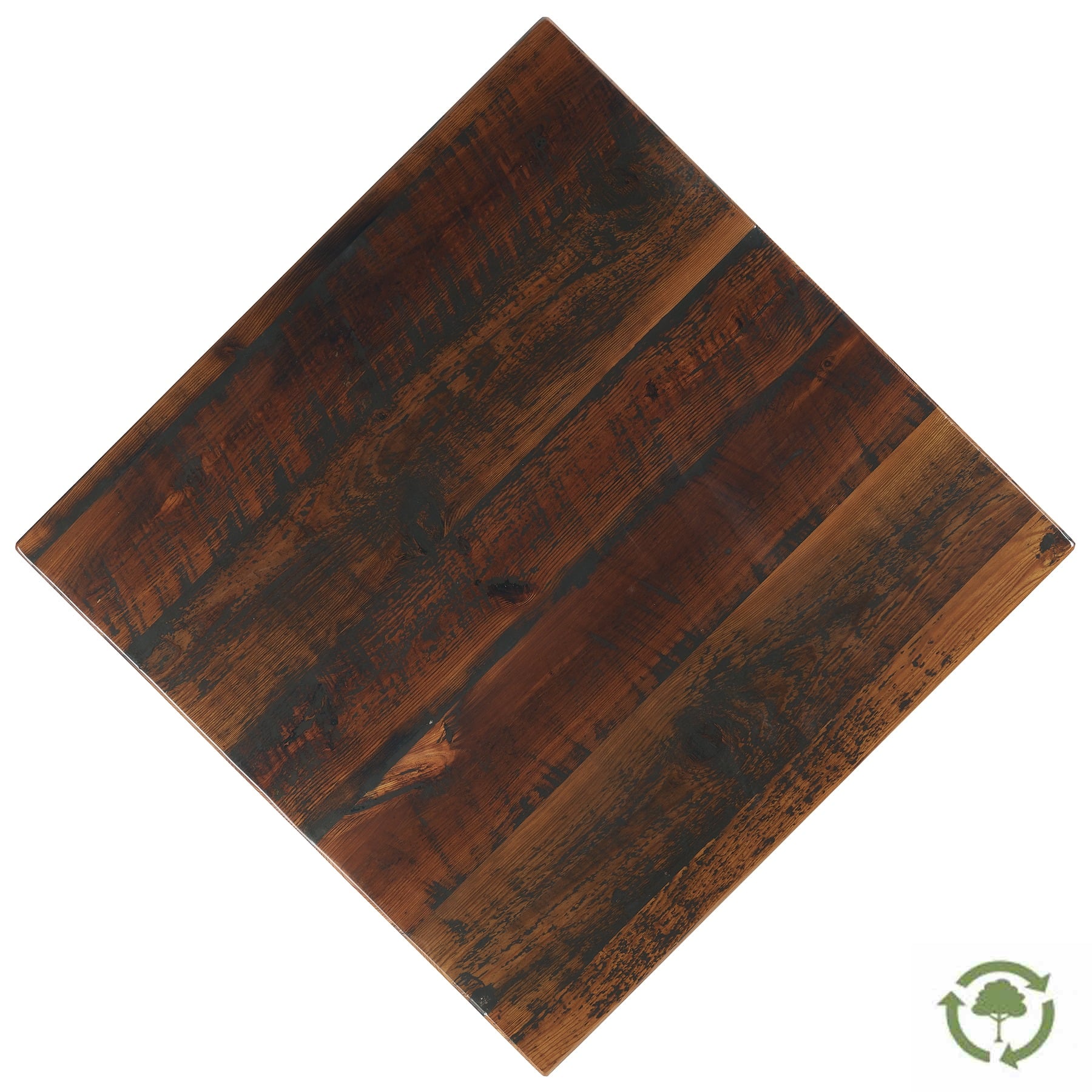
With straight-grain calm and quarter-sawn stability, Standard Plank provides a tailored backbone that scales from one room to many. Built from reclaimed stock, it advances sustainability goals while keeping specifications consistent for multi-location programs and future reorders.
Next, compare species with our wood guide, review build craft in Crafting Beautiful Restaurant Tables, and explore color trends. Use Restaurant Bar Tops for coordinated specs, and revisit Mixed Plank to match board rhythm with layout.
Featured Answer
What is your most popular tabletop style?
The Classic Line is our most popular style by a wide margin. It pairs 1½″ thickness with 100% quarter-sawn structure and tight staves, delivering stability, clean installs, and repeatable results. Operators choose Classic when they need refined grain, predictable performance, and painless reorders across expanding, multi-unit programs.
BUTCHER BLOCK TABLE TOPS
- Plank Width: 3/4″
- Wood types: Oak, Walnut (all new lumber)
- Texture: Smooth
- Stain Colors Available: Yes, will vary by wood type. Colors include Original, Pecan, Toffee, Chocolate, Bourbon and Espresso.
- Thickness: 1 3/4″, others available by request.
STANDARD PLANK TABLE TOPS
- Plank Width: 1-1/2″ – 1 3/4″ mixed
- This Style is Comprised of 100% Reclaimed Wood Table Top Products
- Wood types: Oak (reclaimed lumber), Pine (reclaimed lumber)
- Texture: Smooth
- Stain Colors Available: Yes, will vary by wood type. Colors include Original, Pecan, and Bourbon.
- Thickness: 1 3/4″
MIXED PLANK TABLE TOPS
- Plank Width: 2-5″ mixed
- Wood types: Maple, Walnut & Pine
- Texture: Smooth for Maple and Walnut, Rustic Texture for Pine
- Stain Colors Available: Only available in the colors as shown. Colors include Original & Fog
- Thickness: 1 1/2″-1 5/8″
DISTRESSED TABLE TOPS
- Plank Width: 1-1/2″ – 2″ mixed
- Wood types: Cherry (new lumber), Maple (new lumber), Oak (reclaimed lumber), Pine (reclaimed lumber), Walnut (new lumber)
- Texture: Distressed
- Stain Colors Available: Only available in the colors as shown, stained and then skip-sanded.
- Thickness: 1 3/4″
RUSTIC TEXTURE TABLE TOPS
- Plank Width: 1-1/2″ – 2″ mixed
- Wood types: Pine (ne lumber), Pine (reclaimed lumber), Walnut (new lumber)
- Texture: Rustic (mostly circle sawn or band sawn)
- Stain Colors Available: Only available in the colors as shown, stained and then skip-sanded.
- Rustic texture, finished smooth.
- Thickness: 1 3/4″
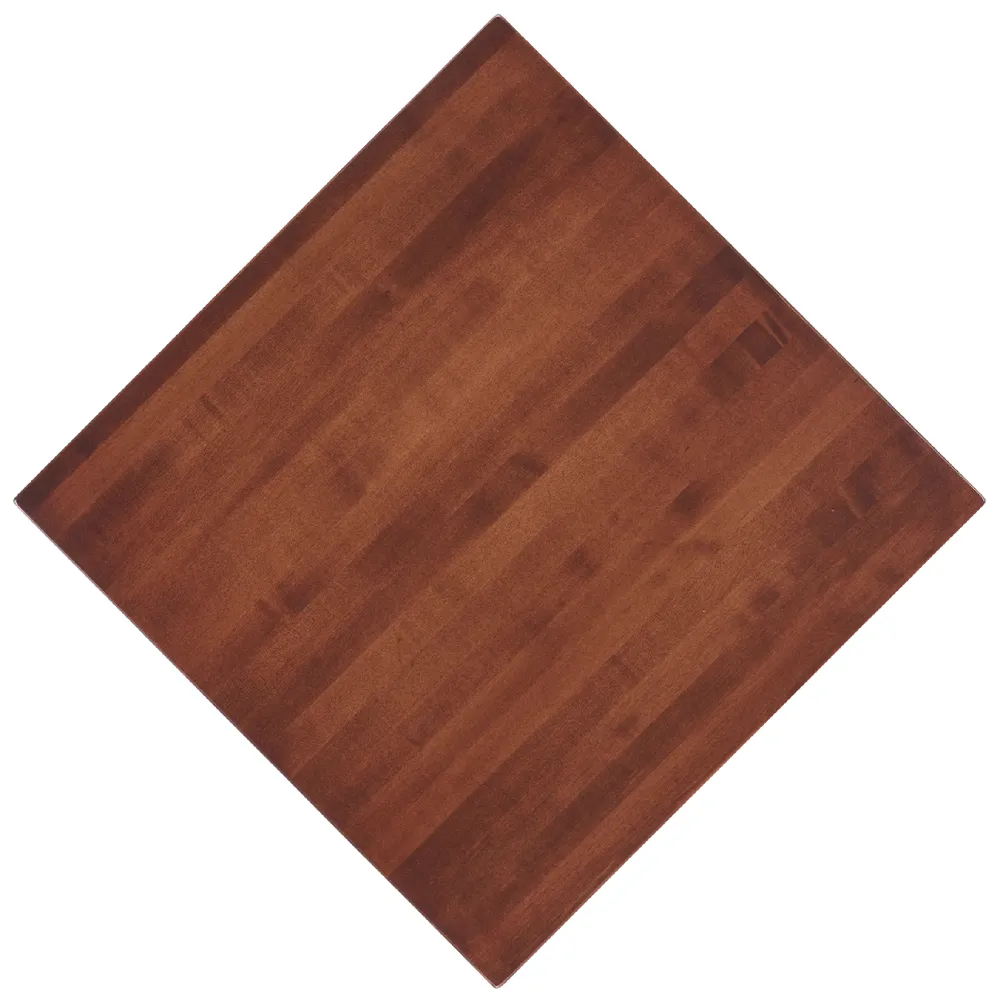
CLASSIC TABLE TOPS
- Plank Width: 1-1/4″ – 1-3/8″ mixed
- Wood types: Ash, Cherry, Maple, Oak, and Walnut
- Texture: Smooth
- Stain Colors Available: Charcoal, Chestnut, Coffee Bean, Honey, Merlot, Original, Paprika, Pecan, Toffee, Truffle & White
Still Have Questions About Our Restaurant Tables?
The TimeWorn team is ready to answer your tabletop questions and guide you through the restaurant table production process from sample to install. We’ll help you choose the tabletop style that fits your brand, layout, and service flow.
Start your spec with the widget below.