
Thick & Thin Tables
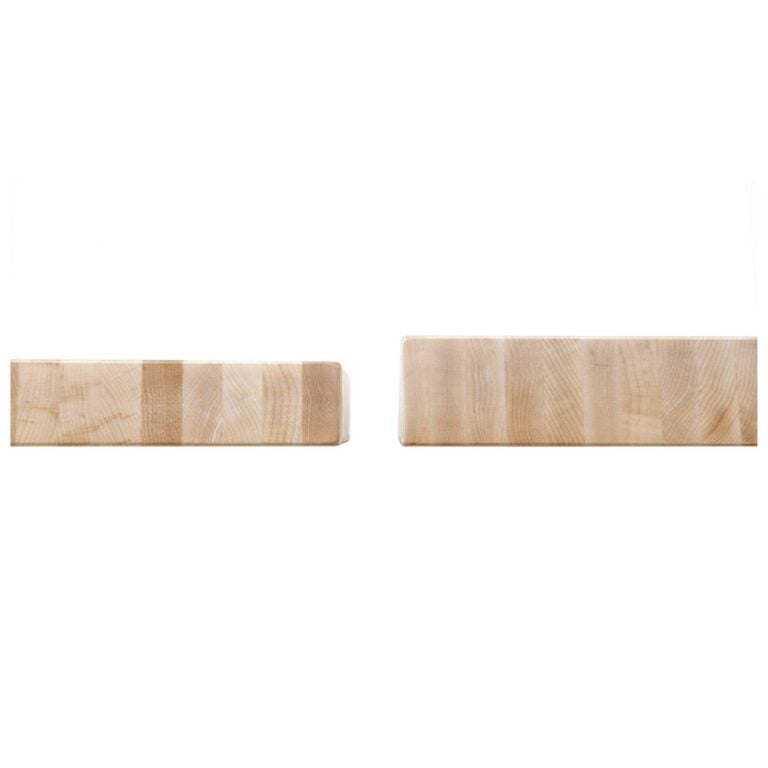
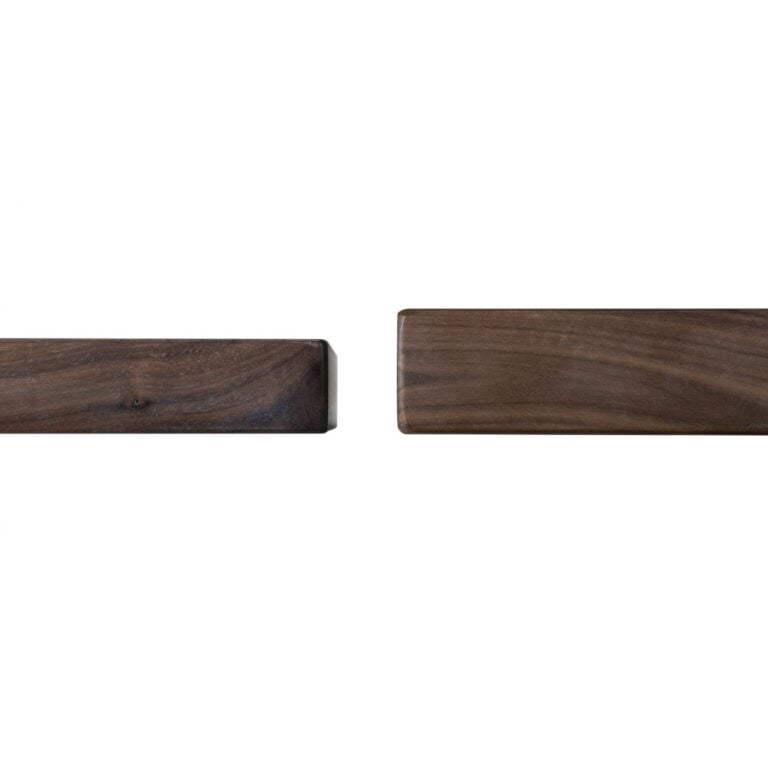
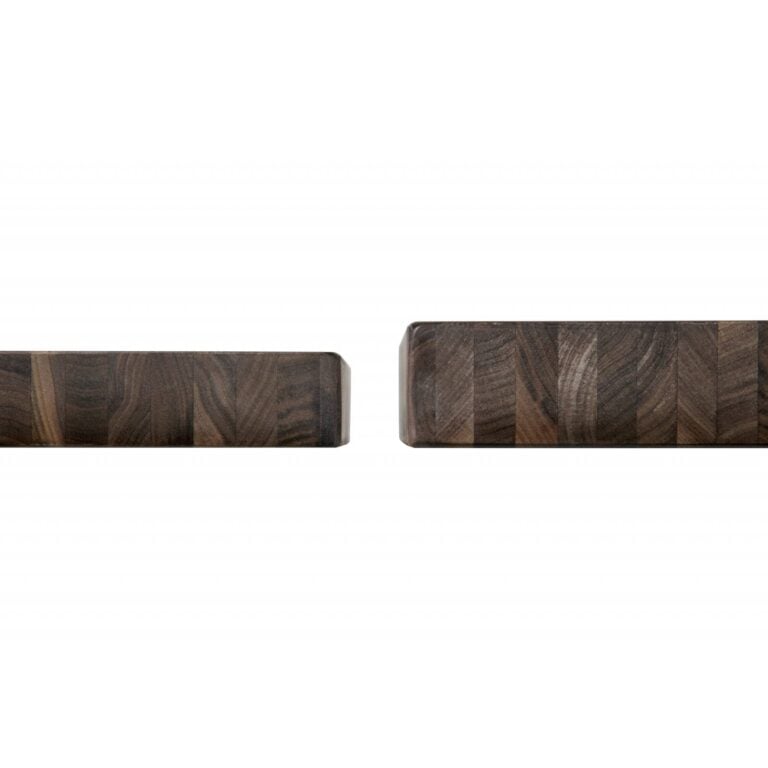
Thick & Thin Tables let you match the tabletop profile to the look and workload of your dining room. Thickness does more than change appearance, it affects ergonomics, perceived quality, and stability at each seat. Choose lean, modern silhouettes for airy rooms or go bold for presence and durability. For planning and comparisons across species, finishes, and use cases, start with our Restaurant Table Tops Buyer’s Guide.
Pro Tip
If you run bar seating or tall communal zones, pair slimmer tops with sturdy bases to keep reach heights comfortable. See ideas in our High-Top Restaurant Tables overview.
Thickness Options and Fit
Our most common standard is about 1¾ inches, a reliable balance of visual weight, stiffness, and installer handling. For contemporary rooms, we craft profiles as thin as about 1¼ inches to create a clean, minimal line while staying service ready. When concepts call for authority, chef’s counters, or long communal runs, we can build up to about 3 inches for deeper grain, richer edge detail, and a more planted feel. We align base spacing, hardware, and pre-drilling so assemblies feel solid from day one.
Edge details influence the read of each thickness. Eased or beveled edges lighten slim profiles, while square or radius edges emphasize depth on thicker builds. For acoustic comfort in hard-surface spaces, pairing your chosen thickness with sound padding for restaurants lowers clatter and helps conversations feel private during peak hours.
Cost, Value, and Operations
Adjusting thickness is a modest cost lever with outsized impact on guest experience and brand feel. Thinner tops can trim weight for faster installs and easier moves, while thicker tops project longevity and resist daily wear. If you plan to add outlets, the profile you choose should leave clean clearance for a Table Power Grommet so devices charge at the table without wall cords. That connectivity supports laptop lunches and longer stays that lift attachment sales.
Because we machine and finish in a controlled process, the thickness you select is consistent across every location. Review how we sequence milling, edgework, sealing, and cure in our build process. For rooms that see heavy tray traffic or close chair contact, consider perimeter protection to complement your chosen profile. When thickness, acoustics, and power are planned together, the result is a quieter room, smoother service, and a tabletop that looks right and lasts.


