Drop Leaf Tables
Dining rooms live or die by layout. Most floors center on tables, so space planning matters. Use Drop Leaf Tables to adapt fast without hurting flow. Flip wings up for peaks. Fold them down to clear aisles. For style cues that match this approach, scan our restaurant design trends guide.
Plan for normal days and surges. First, note tight zones and busy routes. Then place convertible tables where footprints change most. Staff gain options during turns, and guests enjoy better comfort. Finally, match finishes to your concept and traffic. Durable coatings stand up to wipes, heat, and daily use.
Design Insight
Set hinge sides toward open lanes. This keeps leaves clear of chair legs, speeds resets, and prevents edge scuffs.
The History of the Dining Table’s Evolution

For centuries, people have gathered at tables. As a result, the table remained central to daily life. Over time, designs shifted with needs, materials, and customs.
Then a new idea changed the category: expansion. Extendable and retractable tops opened fresh layouts. By the sixteenth century, Elizabethans refined the drop-leaf form. Hinges and rule joints let leaves rise. Wooden supports carried the added span.
In time, adoption spread. By the eighteenth century, American homes embraced the flexible table. As a result, small rooms gained relief during daily meals. Hosts lifted leaves to welcome guests and platters.
Later, urban living reinforced the trend. Tight apartments needed compact solutions.
Meanwhile, hospitality followed. Restaurants needed quick flips between party sizes. During rushes and events, hinged wings solved the problem.
Today, adjustable tops remain practical. They balance capacity with comfort. In addition, they support tight footprints and safe egress. Above all, they help teams run efficient, guest-friendly rooms.
The Practicality of Extendable Tables in Restaurants
Solid wood restaurant tables take up most of the floor space in restaurant dining areas. As such, they need to serve their purpose without blocking guests and servers. While proper table layout is essential to a great dining environment, having tables that can adjust to your needs is imperative. For sizing clarity, also review selecting restaurant table size and sketch clear paths.
Extendable table tops are a necessary staple in restaurants because the ebb and flow of customers, and the variety of party sizes, demand adaptability at a moment’s notice. Say you just seated your last six-top. If you have a four-top with extendibility, you are ready when another large party walks in.
Perhaps a celebratory party of four has reservations and plans to bring a large birthday cake. Rather than cram plates around a bulky dessert, pull out the drop leaves for added space. For concept alignment and ambiance, see our hotel ambiance guide and look for finishes that photograph well.
Service Flow Tips
When leaves are down, extra space around square tables improves maneuverability and makes the dining area feel larger. In busy zones, this breathing room prevents traffic jams and reduces plate collisions.
Extendable tables eliminate moving or rearranging furniture, and avoid storing larger pieces for occasional big parties. They remove the need to swap in large spares for rare events. As a result, teams reset faster and waste less effort during peaks.
Pro Tip
Place convertible tables where footprints change most. Then align hinge sides toward open lanes. This speeds resets and prevents edge scuffs. For broader planning, check the Buyer’s Guide and our communal tables page for layout ideas.
Less labor also means a safer work environment. It is easy for an employee to injure themselves when moving furniture. Shifting heavy tables becomes more than a time-guzzling task. An injured employee can cost the restaurant money and key staff hours. Manual labor outside the main job description can also frustrate employees and increase turnover.
Although this may sound extreme, workplace injury is a serious consideration. According to the National Safety Council (NSC), almost 20,000 employees in the accommodation and food service industry are injured by overexertion and bodily reactions from incidents like heavy lifting and pulling every year. These injuries often result in days away from work and work restrictions. Therefore, flexible tables reduce risk by lowering handling.
Choosing Extendable Mechanisms
When you shop for extendable tabletops, the options can feel overwhelming. Tables can extend in several ways. For example, butterfly-leaf tables extend from the center, whereas draw-leaf tables and drop-leaf restaurant tables extend at the ends. Draw-leaf tables pull out from under the center top, while drop-leaf tables fold down from the sides.
Drop-leaf formats are common in restaurant dining spaces. The simplicity and durability of the hinged design make changes fast and easy. Staff can seat mixed party sizes quickly without moving heavy furniture. Moreover, the format helps maintain aisle widths and keeps servers on smooth routes.
TimeWorn offers many options and customizations for your restaurant tabletop needs. Made from solid wood, we build durable, attractive convertible tables for busy service. Look at our table options or contact us for custom sizing, edges, and finishes.
Build Details and Durability
Hinged-leaf tabletops consist of a square or rectangular core with foldable wings attached by sturdy hinges. When not in use, these leaves tuck away neatly beneath the top without stealing leg space. When needed, the leaves pull out smoothly and sit flush.
A metal support slides out to fortify the added span, which increases overall durability. With minimal effort, staff can seat a larger number of guests and keep the room balanced. When the larger surface is no longer needed, a staff member retracts the supports and folds the wings back into place.
Like all tabletops, convertible designs come in many materials and styles. For top-tier longevity, use solid wood table tops. Solid wood is ideal because it is customizable, easy to maintain, and strong under daily use. See care and cleaning for finish guidance and maintenance schedules.
Placement and Layout Strategy
Convertible tables deliver the most value in practical locations. The center and corner zones often provide the best flexibility. In these areas, staff can expand or retract the tops without moving furniture or blocking walkways.
Placing hinged tables tight to a wall reduces usefulness. The transition from square to round complicates the fit. If you have space, rectangular formats can still work near a wall. With minimal movement, they sit snug and provide a longer serving surface.
Avoid positioning convertible tables near exits and doorways. Once extended, the added chairs will occupy more room. Near exits, this can create safety hazards and slow service. Therefore, plan your tabletop layout in advance and test extensions during a mock reset.
Featured Answer
What is the fastest way to add seats during a rush?
Use convertible tables near busy lanes. Flip one or both wings to match party size. Keep hinge sides facing open aisles for clean service. Train staff to extend leaves as they greet the host. This cuts moves, keeps aisles clear, and protects edges. Moreover, it adds seats without a full floor reset.
Drop-leaf table tops, or collapsible tables, use a square or rectangular core with foldable wings. Hinges connect the wings so staff can open or close them quickly. The closed position saves aisle space and improves maneuverability during slower periods. When demand spikes, staff extend leaves and keep service flowing. For more ideas on social layouts, see communal tables and balance seating with smart routes.
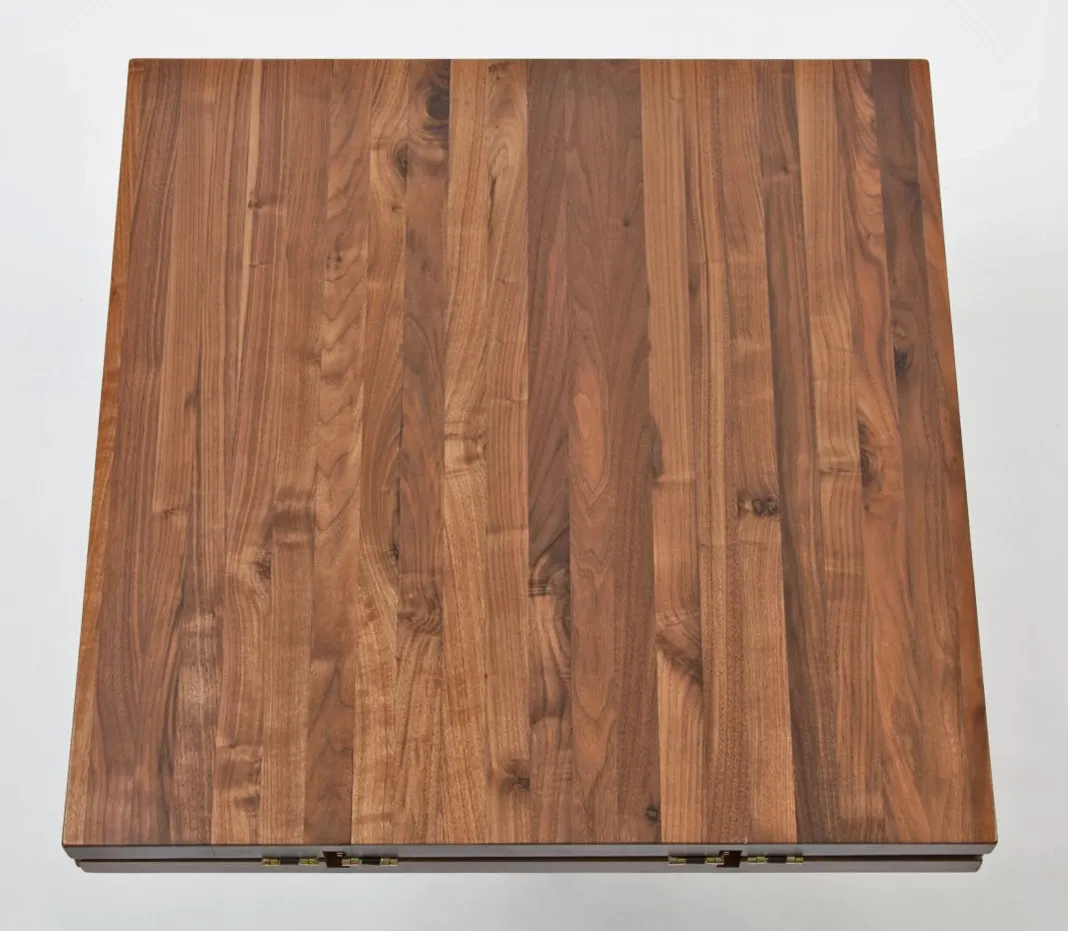
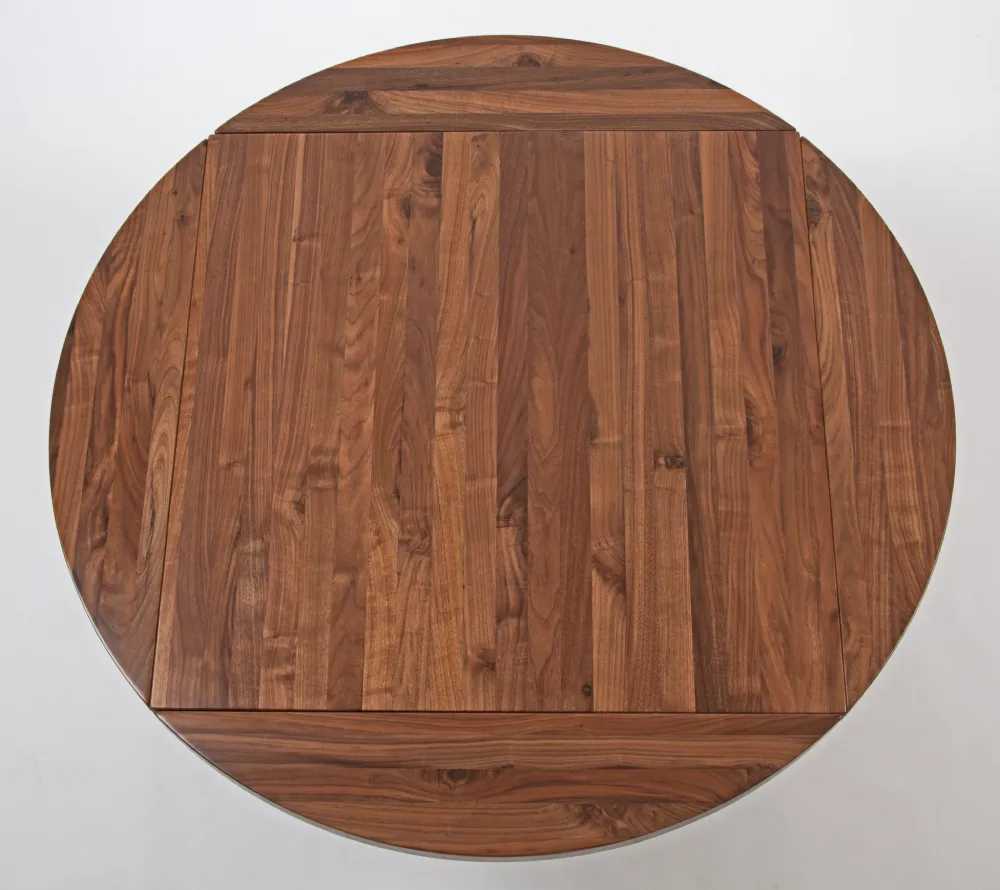
Drop-leaf tables come in many shapes, sizes, and styles for restaurant needs. Moreover, the most common type is the square-to-round. These convertible designs shift a four-person table to seat six or eight. However, larger tops may require additional bases for proper support.
Another option is a rectangular table that extends in length. Although less common, this expandable format still improves overall functionality.
Below are standard sizes and the typical seating they comfortably hold.
Standard drop-leaf restaurant table sizes | Number of seats/people typically accommodated | |
36”x36” square to 51” round diameter | 4 to 6 | |
42”x42” square to 60” round diameter | 4 to 8 | |
48”x48” square to 72” round diameter (Must utilize 4 bases to support) | 4 to 8 | |
Other custom options are available, including large rectangle drop-leaf tables. | ||
Conclusion
In summary, a well-run restaurant depends not only on food and service but also on an adaptable environment. Moreover, drop-leaf restaurant tables blend history, innovation, and everyday practicality. They also meet evolving dining needs from past to present. Consequently, their versatility makes them invaluable for managing space, comfort, and functionality.
At TimeWorn, we understand the industry’s unique demands. Therefore, we offer high-quality, solid-wood options to meet them. Our collapsible and hinged-leaf designs help optimize space, reduce injury risk, and elevate the guest experience. Additionally, these convertible solutions are built for durability and smooth service.
For more details on transforming your layout and handling daily ebb and flow, explore our options and customizations for your restaurant tabletop needs. If you have questions or need guidance, please reach out via our contact page. For additional resources and our full product range, visit the home page. Together, let’s create a dining room that reflects your standards and care. Ultimately, we will help ensure every guest experience is exceptional.
FAQ
What are drop-leaf tables?
Drop-leaf tables are versatile dining furnishings featuring sections (leaves) that can be folded down or extended to adjust the table size according to need, offering flexibility in your restaurant.
How do drop-leaf tables work?
Drop-leaf tables work by having one or more hinged leaves that can be raised to expand the table surface or folded and dropped down to save space when not in use.
Can drop-leaf tables save space in small dining areas?
Yes, drop-leaf tables can significantly save space in small dining areas by being folded down when not in use, providing more room for movement and other activities.
What materials are drop-leaf tables typically made from?
Drop-leaf tables are typically made from a variety of materials, including solid wood, particleboard, and metal, with solid wood being the most durable and aesthetically pleasing option. The hinges should always be metal in a restaurant.
Are drop-leaf tables durable?
Yes, drop-leaf tables can be very durable, especially those made from solid wood, which can withstand years of use with proper care and maintenance.
Why are drop-leaf tables popular in restaurants?
Drop-leaf tables are popular in restaurants for their space-saving design and flexibility, allowing for easy adjustments to accommodate different party sizes or changing dining area layouts.
How can I choose the right size drop-leaf table for my restaurant?
Choose the right size drop-leaf table for your restaurant by considering the average party size, the space available in your dining area, and the table’s dimensions when fully extended and folded down.
How do I maintain my drop-leaf table?
Maintain your drop-leaf table by regularly cleaning it with a detergent or cleaning product of your choice, avoid harsh chemicals when possible, and try to protect the surface from heat and moisture if possible.
What styles of drop-leaf tables are available?
Drop-leaf tables come in various styles, including traditional, contemporary, rustic, and modern, to match different restaurant interiors.
How can drop-leaf tables improve customer experience?
Drop-leaf tables improve customer experience by providing flexible seating options, reducing clutter in the dining area, and accommodating groups of varying sizes comfortably.
Can drop-leaf tables be used for purposes other than dining?
Yes, drop-leaf tables can be used for various purposes other than dining, including as workspaces, display tables, or decorative pieces in restaurant lobbies or waiting areas.
How do I set up a drop-leaf table?
Setting up a drop-leaf table typically involves simply lifting the leaves to the desired position, then securing them in place with the table’s built-in supports. They do not come with an attached base, so you will have to supply a base or we do sell appropriate restaurant table bases.
Are there different types of drop-leaf mechanisms?
Yes, there are different types of drop-leaf mechanisms, including butterfly leaves, swing gates, and traditional drop-leaves, each with its own method of extension and storage. You can view the hardware we utilize on our drop-leaf restaurant table page.
What is the history of drop-leaf tables?
Drop-leaf tables have a long history, dating back to the 16th century, where they were used for their versatility and space-saving qualities in homes and public spaces.
Can I customize my drop-leaf table?
Yes, many manufacturers offer customization options for drop-leaf tables, including size, material, finish, and style, to fit your restaurant’s specific needs.
What are the common sizes for drop-leaf tables?
Common sizes for drop-leaf tables vary, but they often range from small, two-person tables to larger tables that can seat six or more people when fully extended.
How do drop-leaf tables compare to other types of extendable tables?
Drop-leaf tables offer a unique space-saving design compared to other types of extendable tables, as they can be adjusted to various sizes and have leaves that fold down seamlessly when not in use.
What factors should I consider when buying a drop-leaf table for my restaurant?
When buying a drop-leaf table for your restaurant, consider factors such as size, material, durability, style, and the specific needs of your dining space and don’t forget to ask what the warranty is. Our warranty is a full 2-year warranty.
What is the best way to arrange drop-leaf tables in a restaurant?
The best way to arrange drop-leaf tables in a restaurant is by considering the flow of traffic, ensuring ample space between tables, and positioning them to allow for easy adjustments as needed.
Can drop-leaf tables be combined with other table types?
Yes, drop-leaf tables can be combined with other table types to create a dynamic and versatile dining space that caters to various customer needs and occasions.
What are the safety considerations when using drop-leaf tables?
Safety considerations when using drop-leaf tables include ensuring the leaves are securely supported when extended, avoiding overloading the table, and regularly inspecting the hinges and supports for wear.
How can drop-leaf tables help with social distancing in restaurants?
Drop-leaf tables can help with social distancing in restaurants by allowing for easy reconfiguration of the dining space to maintain safe distances between parties while still maximizing seating capacity.
What should I avoid when using drop-leaf tables in my restaurant?
Avoid placing heavy items on the unsupported ends of the leaves, using damaged or unstable tables, and ignoring manufacturer’s instructions for care and maintenance.
Can drop-leaf tables be used in combination with fixed seating, like booths?
Yes, drop-leaf tables can be used in combination with fixed seating, such as booths, to offer flexible dining options and make efficient use of space in the restaurant.
Where can I find high-quality drop-leaf tables for my restaurant?
Find high-quality drop-leaf tables for your restaurant by researching reputable furniture manufacturers, reading reviews, and browsing online selections like our collection at TimeWorn. Visit our drop-leaf restaurant tables page.