
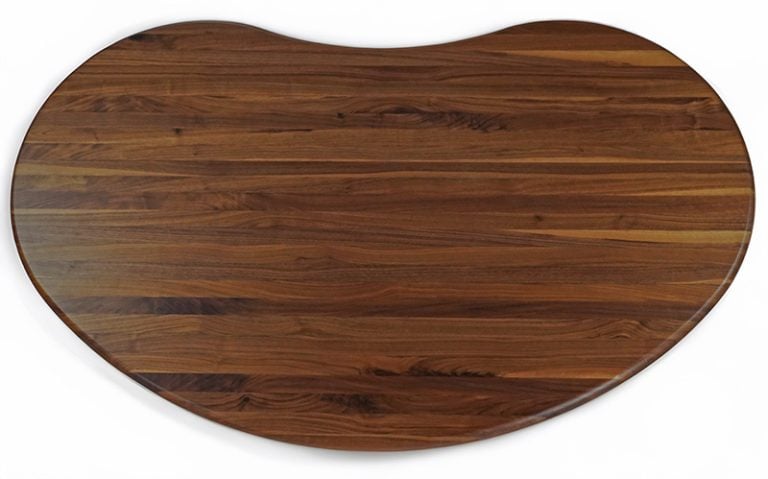
Round & Irregular Tables
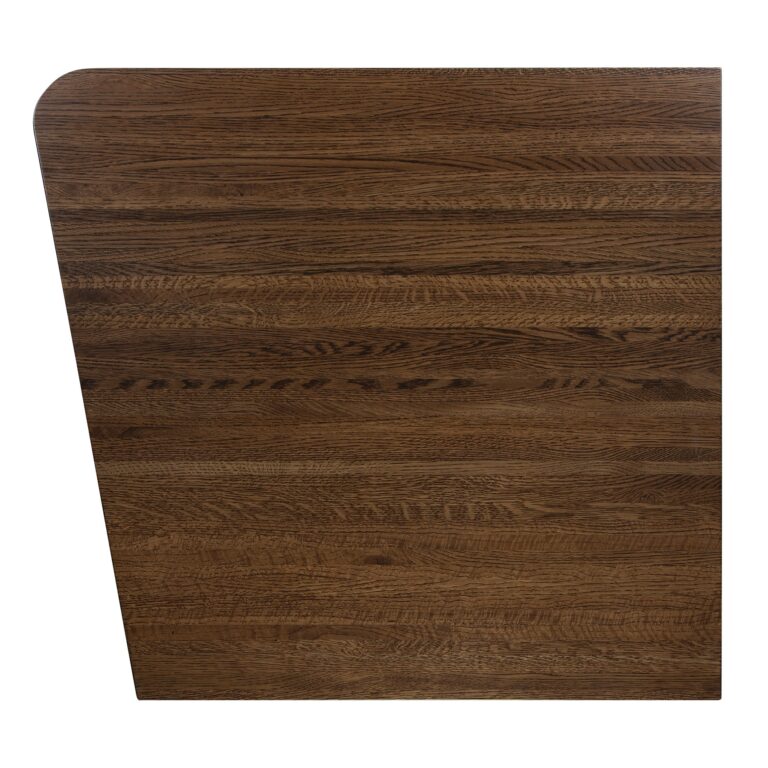
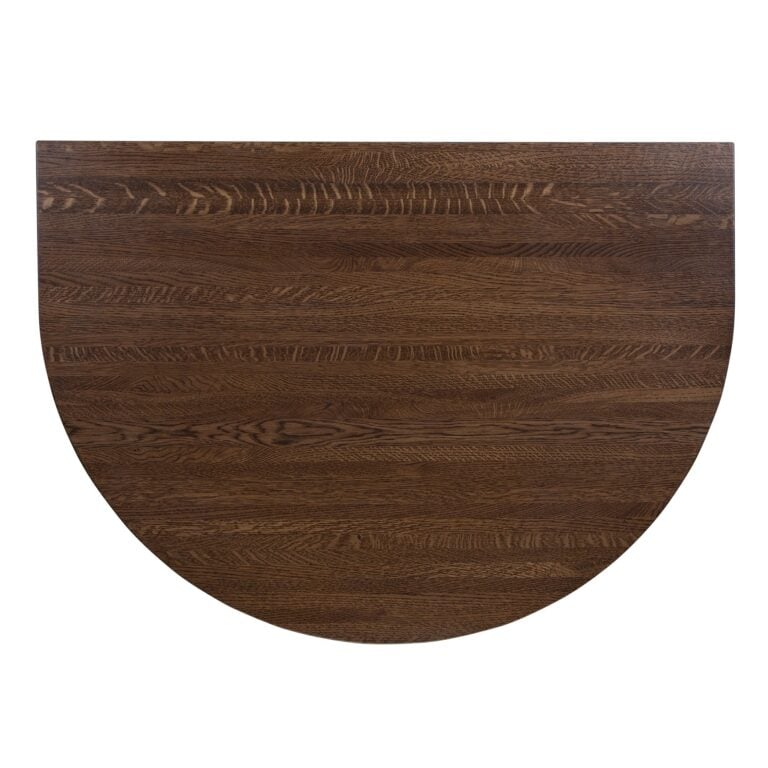
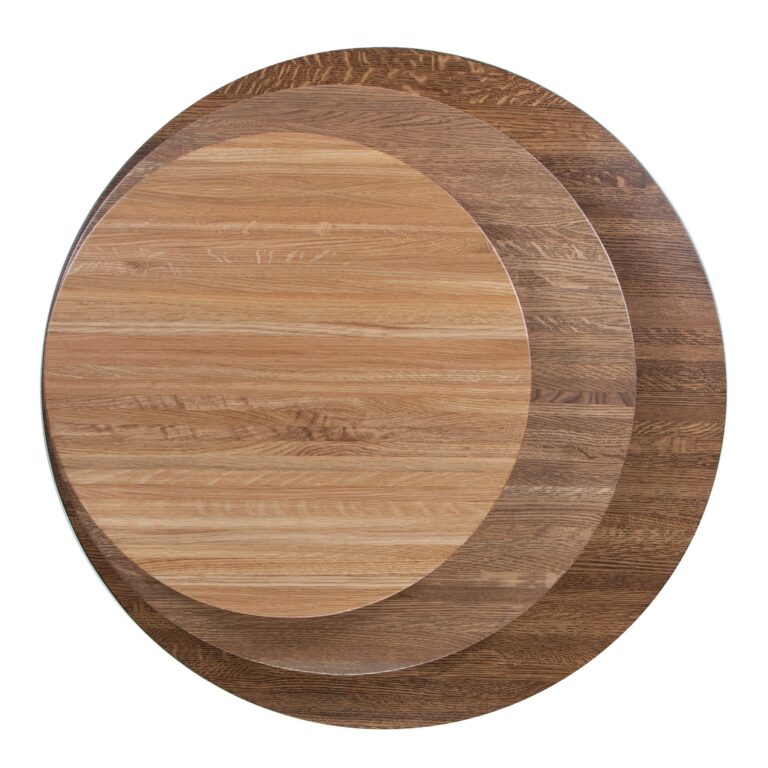
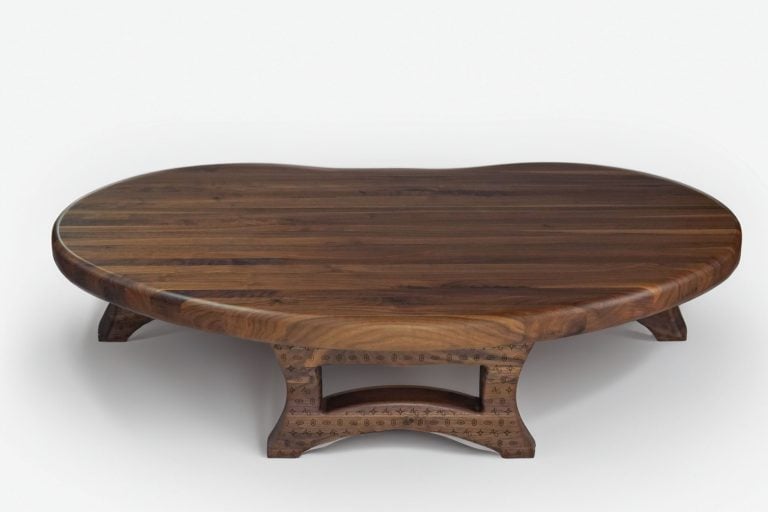
Round & Irregular Tables shape the guest experience through forms that guide flow, sightlines, and conversation throughout the dining room. True rounds support intimate groups, while ovals and custom contours allow seating to adapt naturally to the space. These shapes soften rigid layouts and help guests engage more comfortably with one another. Each table is engineered to look intentional while supporting daily service demands.
Featured Answer
Why specify round or irregular tables?
These forms improve circulation and create natural gathering points, resulting in layouts that feel open and purpose-built.
Architects and designers seeking versatility and a proven return on investment often review our full tabletop enhancements hub to explore custom shapes and performance-driven add-ons that upgrade our products while delivering a truly customized experience for restaurant guests.
Thoughtful layouts begin with understanding traffic paths, server routes, and how groups naturally gather in the room. Round tables allow guests to face one another, while irregular silhouettes carve usable zones along walls and windows. Pairing custom shapes with drop leaf tables supports flexible seating without disrupting flow. Shop-installed pre-drilling ensures each table installs cleanly and maintains efficient service circulation.
🔆Design Insight
Include ADA-compliant seating in your floor plan for comfort and accessibility. Review our ADA table guide to align design with inclusivity and code.
Visual impact often outweighs the incremental cost of specifying round or irregular tables. Improved circulation reduces table bumps, while fewer sharp corners limit finish touch-ups over time. Guests settle into a more natural seating posture, encouraging longer stays and better experiences. The result is a layout that feels welcoming while delivering measurable operational value.


