
Sustainable Table Tops for Restaurants: One Clear Winner for the Ultimate Eco-Friendly Dining Experience

Read Time: 21 minutes

Reclaimed Wood Tables give you a clear path to sustainability. There are a countless number of wood restaurant tables; however, few materials qualify as truly sustainable. Because sustainability matters, weigh it with cost and aesthetics for your restaurant table tops. Choose wisely.

Reclaimed Wood Tables also bring real character to FOH. For ideas, see surface options on our wood restaurant table tops page. Additionally, review how we stabilize aged material in our build process.

Importance of Sustainability with Reclaimed Wood Tables

Reclaimed Wood Tables align sustainability with style and performance. Moreover, the topic has surged as new studies emerge. The United Nations defines sustainability as meeting present needs without limiting future generations. This idea spans human, environmental, economic, and social health. Therefore, plan choices that respect today and tomorrow.

Reclaimed Wood Tables also connect daily habits to measurable outcomes. Today, sustainability touches commutes, kitchens, and service routines. Supporting responsible products strengthens your brand and the wider world. Furthermore, a sustainable dining room can lift local reputation. In many cases, smarter choices reduce long-term operating costs.

Reclaimed Wood Tables further signal values at the table. A solid, sustainable top sets a modern, aesthetic tone. When you refresh layouts, consider environmental and financial impacts together. For species and sourcing details, review our guidance on wood for restaurant tables. Then specify materials that match both design and duty cycle.

Sustainability Spotlight

Reclaimed Wood Tables cut demand for new lumber, reduce waste, and add authentic character. Track chain-of-custody and finish specs. Document sources for transparency.

Contact Us

Negative Impacts of Various Tabletop Materials

Laminate

Laminate table tops often cost less for restaurants; however, many use fossil-based synthetics. Manufacturing releases significant greenhouse gases and upstream waste. In addition, this surface wears out fast on high-traffic tops, which drives replacements and adds cost. Edges chip under carts, heat can blister thin films, and harsh cleaners may cloud finishes and expose the core.

Because recycling is difficult, worn pieces land in landfills, where they may shed microplastics and leach chemicals. Some laminates also include VOCs and other harmful compounds. As gases off-gas, health risks can rise over time, including irritation and headaches. Air turnover helps, yet fumes can linger and affect guest comfort and reviews.

These concerns extend beyond tabletops, so consider avoiding laminate flooring as well. Even with a low price, short lifespans reduce value and sustainability. Consequently, many owners remove laminate after a full life-cycle review, simplify ordering, improve training, and lower maintenance costs as failures drop.

Granite and Marble

Stone signals luxury; yet it is not renewable. Granite and marble form over millions of years, so quarrying reduces finite reserves. Some stone can be recycled, but quarrying still consumes heavy energy and water and creates large waste streams. Cutting produces slurry that needs treatment, and transport adds fuel burn and noise.

Granite can contain trace radioactive elements; as quarry waste decays, radionuclides may increase exposure around sites. Studies report higher activity in some quarries, which elevates risk for nearby workers and residents. Meanwhile, fabrication adds emissions; polishing needs chemical handling; and breakage during install raises cost and waste.

Yes, stone adds visual drama; however, the external costs are significant. If you must specify stone, choose recycled content where possible. Recycling reduces energy use, cuts emissions, and diverts material from landfills while preserving the look. Verify sources with documents, specify chip-resistant edges, and train staff on non-acid cleaners.

New Wood

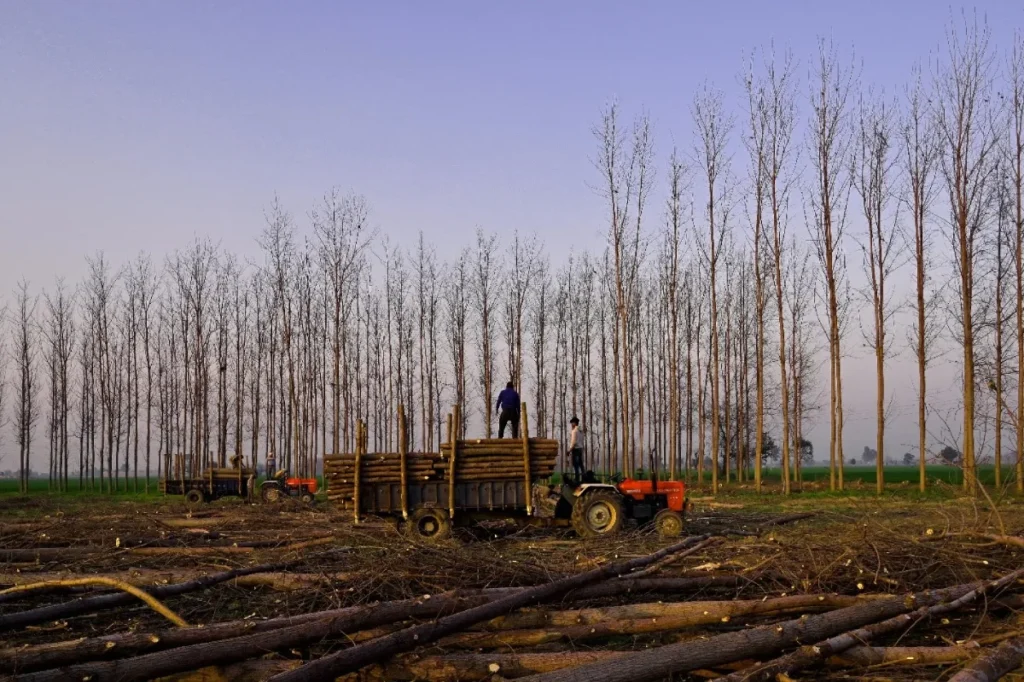
New harvesting can drive deforestation and habitat loss, which degrades landscapes and displaces wildlife. Trees absorb carbon dioxide and release oxygen; cutting forests removes this vital climate service and undermines targets. Deforestation also alters soils and watersheds, which accelerates erosion and shifts regional water cycles.

Most lumber today comes from faster-grown trees; old growth once produced tighter rings and denser stock. That quality is rare and costly now, so performance can vary more under heavy use. Material stability, therefore, depends on species, growth rate, seasoning quality, and grain orientation in service.

For a renewable path, consider Reclaimed Wood Tables. Review species and sourcing in wood for restaurant tables, and see build standards in crafting beautiful restaurant tables. Together, these guides help you specify durable, low-impact surfaces and align cleaning protocols with finish specs.

Featured Answer

What single change improves sustainability the most?

Switch away from non-renewable or short-lived tops. Prioritize durable, renewable materials with documented sourcing. Specify finishes that meet cleaning needs without harsh chemicals. Train teams on daily care, track lifespan, and replace only failed parts when possible.

Contact Us
Deforest woodworking and lumber preparation.

Bamboo

Bamboo wood used for tabletops.

Bamboo earns eco praise; however, it is not ideal for table tops. Although it shares traits with wood, bamboo is grass. It grows fast and reaches harvest sooner than trees. Moreover, it needs less water, pesticides, and fertilizer. It tolerates many climates and allows cutting every few years without killing plants. It rarely delivers dent resistance for heavy service.

Bamboo also supports economies. According to the United Nations Environment Program, it serves over 2,000 uses. Regions with abundant stands can build new industries. With planning, some African countries could profit from native bamboo forests.

Cost Benefit

Because bamboo for U.S. tabletops is 100% imported, freight, duties, and currency risks rise. Therefore, choosing domestic materials supports American jobs and faster service response.

Turning bamboo into quality tops is labor-intensive. The hollow culm and small diameter resist simple plank cutting. Manufacturers laminate strips, add adhesives, and control voids. Each step raises cost and defect risk, especially at edges and seams.

Producers kiln-dry natural materials to remove moisture and pests. Yet high heat can crack bamboo and loosen glue lines. Layers can warp under uneven temperatures or airflow. These failures increase scrap and delay orders. Lead times then become uneven. Remakes also strain budgets.

Bamboo can work elsewhere; however, it struggles on busy tops. Daily service brings heat, moisture, abrasion, and chemicals. Edge splits and seam telegraphing tend to show sooner. Refinishing and reuse also prove harder than wood solutions. For front-of-house durability, consider Reclaimed Wood Tables as the smarter long-term path.

The Sustainable Option – Reclaimed Wood Tables

When you compare materials for sustainable restaurant table tops, Reclaimed Wood Tables stand out. They offer many options and custom details that match your theme. From luxury rooms to casual dining, reclaimed stock meets guest expectations. It also handles frequent, harsh use during daily service. Additionally, match edges, stains, and sheens to brand standards.

Environmentally Friendly

Suppliers recover beams from buildings slated for demolition. If not reused, many timbers are burned and release stored carbon. That outcome harms the climate and wastes dense fiber. According to the U.S. Department of Agriculture (USDA) and other agencies, new wood can show three to five times higher global-warming potential than reused wood.

Recycling old stock also slows deforestation. The more we repurpose, the less we harvest from living forests. Buying locally further reduces freight emissions and improves timelines. When possible, source near your location for lower impact and faster support. In short, Reclaimed Wood Tables align performance with environmental goals.

Design Insight

Specify clear provenance on each lot and note moisture targets on POs. This keeps color, density, and movement predictable during build and service.

Durable

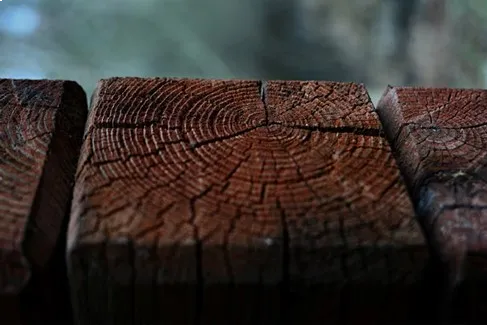
Historic timbers matured for decades, so ring patterns are tight and dense. This density improves stability and wear under heavy traffic. New growth rarely matches that profile. Wider rings can dent faster and move more with humidity swings. Therefore, Reclaimed Wood Tables often deliver better long-term performance on tabletops.

They also refinish well. Skilled sanding preserves patina while leveling seams. Proper sealers resist heat and common cleaners used in service. As a result, you protect appearance without sacrificing durability. In practice, Reclaimed Wood Tables combine strength, repairability, and character for demanding dining rooms.
Contact Us
Wood end-grain detail for tabletops.

Customizable

Reclaimed wood comes in a variety of wood types. Like other lumber table tops, reclaimed can be completely customized to match your restaurant’s style and needs. At TimeWorn, we not only provide a selection of reclaimed wood, but also many customizable enhancements that make your table tops unique to your restaurant. From branded logos to waterfall edges, TimeWorn can help you make these sustainable products a statement piece for your restaurant.

Reusable

Of course, reclaimed wood is reusable. From an old barn to your restaurant tables, the reclaimed lumber has transformed into something completely new and different. When you want a fresh look, reclaimed wood can be refinished. In fact, the wood can be refinished multiple times before replacement. When the wood is no longer serving its purpose as table tops, you can recycle or reuse the wood for other projects within or outside of your restaurant.

Added Charm

Reclaimed wood is guaranteed to be older than you and perhaps your establishment as well. Add a touch of history to your restaurant with wood that is hundreds of years old. Reclaimed wood provides elements of style that fresh lumber can never achieve. Even if you aren’t sold on the rustic appearance that is often associated with reclaimed wood, there is a style for you.

Long-Term Savings

Because reclaimed wood is so durable and can easily be refinished or repurposed, reclaimed wood table tops can save your restaurant money in the long term. These tables will easily last decades with proper care. When sealed properly, caring for your reclaimed wood table tops is easy. The wood will withstand high heat and repeated use without damage.

Other Uses for Sustainable Reclaimed Wood

Reclaimed wood doesn’t need to be limited to table tops. These versatile pieces can become a work of art on your wall or stool seating for guests. Add shelves or create a statement bar that screams class with reclaimed wood.

Quality and Safety Assured

At TimeWorn, our reclaimed wood is from unpainted portions of 2” thick material saved from old barns. This lumber is guaranteed lead-free. These ideal planks are typically found in floors and roofs. Our lumber is also kiln-dried at over 180 degrees until the moisture levels are under 5%. This process kills any pests or fungi that may have resided in the wood. It also allows us to ship to any state or country without the risk of shrinking or cracking.  

We are proud to say that we are one of, if not the only company, that will warranty our reclaimed table tops for 2 years. This covers cracks, cupping, or any defects.

Get Green Certified

Reclaimed Wood Tables help you meet clear sustainability goals and align with modern design standards. They also support your path toward certification with the Green Restaurant Association.

Next, strengthen your plan. Review current restaurant design trends and align finishes with your concept. Then map guest touchpoints and cleaning protocols to protect your finish.

  • Choose sustainable options for furnishings across the dining room and lobby.
  • Use durable, reusable plates, utensils, and glasses to reduce waste.
  • Optimize your menu with local sourcing and seasonal rotations.
  • Upgrade to efficient lighting and controls for lower energy use.
  • Track and manage water waste with simple daily checklists.
  • Standardize green cleaning products and clear staff training.

Pro Tip

Document your upgrades as you go. Attach invoices and photos to each step. Then submit a clean packet to the Green Restaurant Association for faster review.

If you are passionate about sustainability, pursue certification with the Green Restaurant Association. Their science-based point system rewards practical steps and consistent tracking. For hospitality, see how surface choices can transform your hotel’s ambiance. Finally, confirm the look and fit with this guide on how to find the right style of table tops.

In Conclusion

Your tabletop choice signals real commitment to the planet and to guests. Choose materials that perform well and tell a story. In modern dining, Reclaimed Wood Tables lead because they blend durability, repairability, and character.

By opting for reclaimed stock, you reduce waste while elevating the room. You also create unique, memorable surfaces that endure daily use. Meanwhile, our team supports sizing, finishes, and service details for long-term results.

TimeWorn can help with specifications and samples. Explore these options and match them to your brand and traffic needs:

Reclaimed Distressed Pine Tables

Reclaimed Distressed Oak Tables

Painted White Reclaimed Pine Tables

Textured Barn Wood Original Reclaimed Pine Tables

Original Reclaimed Oak Textured Barn Wood Tables

Reclaimed Wood Pine Tables Sanded Smooth

Smooth Sanded Reclaimed Oak with Pecan Stain Tables

Reclaimed Oak with Bourbon Stain Tables

Original Smooth Sanded Reclaimed Oak Tables

Show your commitment and shape a better guest experience. For help, visit TimeWorn or contact us. Together, we can build a space that reflects your values and vision.

Request a Quote!

FAQ

What makes a restaurant table top eco-friendly?

An eco-friendly restaurant table top is made from sustainable, recycled, or reclaimed materials that have a minimal environmental footprint during their lifecycle.

The most sustainable materials for eco-friendly table tops include reclaimed wood, bamboo, recycled glass, and composite materials made from recycled plastic.

Recycled materials, such as the reclaimed lumber or barn wood we utilize at Timeworn, can often surpass the durability of traditional materials. Through natural aging processes, such as over 100 years of drying, reclaimed wood becomes significantly harder and more resilient, offering enhanced strength and longevity for commercial applications.

Yes, eco-friendly table tops are designed to withstand heavy use in commercial settings, with many manufacturers focusing on durability and longevity.

Benefits include reducing waste, conserving natural resources, and enhancing the restaurant’s commitment to sustainability, which can attract eco-conscious customers.  There’s also a level of beauty and character that only exists in reclaimed wood after 100+ years of use.

The costs can be comparable to or slightly higher than conventional table tops, but the long-term benefits and potential savings in waste management can offset initial expenses.

Seek certifications such as the FSC (Forest Stewardship Council) for wood, which affirm that materials are sustainably sourced and produced. When purchasing restaurant table tops made from reclaimed lumber, consider the unique attributes they bring. The color variation, character, and the fact that the wood was often virgin growth material 150 years ago, provide a beauty and quality that new lumber simply cannot replicate.

Verify sustainability claims of a restaurant table top manufacturer by researching the manufacturer’s sourcing practices, certifications, and any third-party sustainability assessments.

The scope for customizing our reclaimed wood restaurant table tops is boundless, from selecting specific materials and finishes to integrating custom designs and logos. There are absolutely no limitations to how you can tailor our reclaimed wood table tops to meet your aesthetic and functional needs.

There are no limitations to repairing or refinishing eco-friendly or reclaimed wood restaurant table tops.

There are no limitations to how you care for our recycled material table tops. You can use any table top cleaning product.

The lifespan of a sustainable restaurant table top can be very long, especially when well maintained, often outlasting traditional materials due to the quality and durability of the materials used.

Restaurant table tops crafted from recycled and reclaimed materials can significantly enhance a restaurant’s aesthetic, offering unique textures and stories that contribute to a distinct dining atmosphere.

Many eco-friendly table tops are designed to be recycled or biodegraded at the end of their life, continuing the cycle of sustainability.

Reclaimed wood table tops reduce demand on forests, decrease landfill waste, and often involves less energy to process than manufacturing new products.

With proper treatment and finishing, table tops crafted with recycled or reclaimed materials pose no health or safety concerns; eco-friendly materials are non-toxic and hypoallergenic.

They underscore a restaurant’s commitment to environmental stewardship, enhancing brand image and supporting broader green initiatives.

Innovative materials include agricultural by-products, recycled metals, and bio-based composites, which are pushing the boundaries of sustainability in design.

Customers often view the use of recycled and sustainable materials positively, associating them with quality and environmental responsibility.

Our eco-friendly table tops are treated to resist stains and heat, although their resistance levels can vary depending on their manufacturer.

While specific incentives or tax credits vary by location for using sustainable materials, many businesses can receive tax credits, grants, or other benefits for implementing sustainable practices.

Eco-friendly table tops can improve indoor air quality by minimizing the emission of VOCs (Volatile Organic Compounds), common in traditional manufacturing processes.

Eco-friendly table tops are manufactured through processes that prioritize environmental sustainability. This involves using reclaimed or sustainably sourced materials, minimizing waste by utilizing efficient cutting techniques, and applying non-toxic finishes. The production process also aims to reduce energy consumption and carbon footprint, ensuring that each table top not only looks good but also contributes positively to the environment.

When buying sustainable restaurant table tops, look for manufacturers who use reclaimed or sustainably sourced materials and have energy-efficient manufacturing processes.

To Ensure the wood being used to craft your table tops comes from certified sources, request a sample, ask for the history of the wood, and verify the manufacturing process for sustainability practices.

Sustainable table tops, particularly those made from reclaimed wood, can have a longer lifespan, reduce replacement costs, and potentially lower operation costs due to their durability and easy maintenance.

There are no limitations when using reclaimed wood to craft restaurant table tops, sustainable table tops come in various styles, finishes, and materials that can suit any restaurant design while maintaining an eco-friendly footprint.

Using sustainable materials and specifically, reclaimed wood table tops, can bolster your restaurant’s reputation as environmentally conscious, attracting customers who prioritize sustainability and enhancing your brand’s identity.  With reclaimed wood you will also get a level of beauty that just cannot be duplicated with new lumber.

Many sustainable materials are designed for durability and long-term use, making them suitable for high-traffic dining environments.  The lumber used in reclaimed wood table tops is most often virgin growth and therefore much denser and more durable.

Common misconceptions about using sustainable restaurant table tops include that they are more expensive than traditional options, offer fewer design choices, and are less durable.

Sustainable table tops can enhance the dining experience by creating a unique, natural, and comfortable setting, demonstrating the restaurant’s commitment to environmental stewardship.

When transitioning from conventional tables to sustainable tables, you should consider, the environmental impact, the potential for cost savings, compatibility with your restaurant’s design, and the message you want to convey to your customers.

Highlight your sustainable choices on your menu, website, and social media channels, and educate your staff to share the benefits with diners.

While each material may have specific care requirements, generally, sustainable table tops require simple, regular cleaning with eco-friendly products and occasional refinishing to maintain their natural beauty and durability.  At TimeWorn we craft and finish our reclaimed wood table tops in the exact same manner as our traditional wood table tops, therefore no special care is required.

Request a Quote!