The Profitable Appeal of Communal Restaurant Tables
Redefining Dining: Unpacking the Definition of Communal Tables
Great communal tables balance flow and togetherness. See size, species, and leg options on our restaurant table tops hub, and check the Buyer’s Guide for seating widths and ADA clearances.
A communal table is typically a large, shared table, which is located in dining or social spaces such as restaurants, cafes, and breweries. The shared seating arrangement of these tables enables multiple guests, often from different parties, to share a table. Patrons are encouraged to engage in social interaction and develop a sense of community with communal tables. These tables, in contrast with typical individual or group tables, are large by design and meant to encourage an interactive and inclusive dining experience. Furthermore, they maximize the available space.
Inspiration: A Sampling of Communal Tables We Have Built
Balancing Function and Style in Communal Table Design
When it comes to designing communal tables, a delicate balance must be struck between functionality and style. These tables not only serve as practical dining surfaces. They can also be a focal point that enhances the social atmosphere. The key is to choose designs that encourage interaction and fit the overall aesthetic of your establishment. Materials, sizes, and shapes are essential factors, as they contribute both to the durability of a table and to the restaurant’s ambiance. Creating a memorable communal dining experience requires elements that reflect the brand’s identity and ensure comfort and convenience for patrons.
How Communal Tables Transform Restaurant Atmosphere
Communal tables set a welcoming tone. Conversations start naturally, and energy rises. Groups flex without fuss during peaks. This format boosts flow and seating efficiency. It also spotlights your hospitality. Explore our communal restaurant tables for layouts and finishes.
Featured Answer
How does a communal table change a restaurant’s atmosphere?
A communal table shifts the room from private to shared connection. Guests sit near others and start easy conversations. The hum grows warmer and more inviting. Hosts seat mixed party sizes without empty chairs. Service flows because servers cover fewer zones. Large groups merge tables less often, which reduces friction. The room feels lively, inclusive, and memorable.
Space & Profit Genius: The Secrets of Communal Tables
Restaurants benefit from communal tables’ space and efficiency. These tables fit more people in a smaller space than individual tables. This arrangement works well in crowded urban restaurants with limited space.
These tables also simplify customer service. Waitstaff can serve multiple parties from one location, saving time and effort in crowded areas. This setup speeds turnover, allowing the restaurant to serve more customers during peak hours. Communal tables offer layout flexibility for different events or dining needs. Community tables are practical and appealing for any establishment serving customers due to their adaptability and space-saving design.
Another hidden gem in the world of communal dining is the potential for increased sales. People often notice what their tablemates eat when they eat together. Impulse orders and a desire to try multiple dishes can increase customer spend. A subtle social influence can boost restaurant sales without any extra effort.
Why Millennials Prefer Communal Tables in Restaurants
Millennials value connection and quick comfort. They also love restaurant communal tables. The vibe feels open, friendly, and camera ready. People chat, swap tips, and share dishes. The room buzzes with warm energy and easy laughs.
Why the communal table craze? It is simple. Communal tables adapt fast and look modern. Friends join mid-meal without drama. New guests slide in, and service keeps pace. Everyone still gets elbow room for plates, drinks, and phones.
Design Insight
Plan for light, outlets, and camera angles. Then choose finishes that photograph well. Your table becomes content and community.
Next, consider networking at these tables. Picture a latte near a laptop. Someone mentions a new green startup. You compare apps and trade cards. The table turns small talk into real connections. Collaboration starts before the check arrives.
Of course, layout still matters. Place bags and phones smartly. Add chargers at the rail. Label a shared spot for photos. The dance ends, and clutter drops. Service tightens, and tabletops stay clear.
Finally, communal tables fit Millennial values. Experiences beat stuff most days. People want stories, not silence. They want good wood, good light, and good company. The format delivers all three with style.
Ready to test the vibe beyond dinner? Visit our brewery tables for social layouts that welcome flights, snacks, and new friends.
Providing a Better Dining Experience with Communal Charging Tables
Restaurants now have charging tables to meet the growing demand for connectivity. These innovative tables usually have wireless charging pads or USB ports so customers can charge their phones or tablets while eating or drinking. Technology enhances customer convenience and dining experience, leading to longer stays and higher customer satisfaction. Innovative and customer-focused restaurants that use charging tables understand the importance of staying connected in the digital age. As an industry expert, I can say that charging tables are a great addition for restaurants that want to keep up with customers and technology.
Customer reactions to communal dining: The Facts
There is a respected study on communal dining by Michael Dane Walper and summarized by John M. Pfau at California State University, San Bernardino. The work tracks older adults who live alone. It shows higher risks for depression in that group. Yet communal meals create steady contact and routine. People talk, share time, and feel seen. Mood improves, and daily well-being rises with every hosted meal. The study recommends regular programming, friendly seating plans, and consistent mealtimes. Staff can train volunteers to greet guests and spark conversation.
Oxford findings on social eating
Another research project on communal dining came from the University of Oxford and The Big Lunch team. The team linked social eating to higher happiness and stronger bonds. People who share meals report better life satisfaction. They feel more connected to neighbors and local groups. However, busy schedules still push many meals into solo time. Communities gain when leaders host frequent, open tables for all ages. Organizers can post calendars and rotate themes. Live music nights and tasting flights keep the momentum.
Installation Reminder
Plan mounting before rollout. Pre-drill at the shop, verify fastener lengths, and leave wire clearance. Then confirm aisle widths and ADA reach. Finally, stage sample place settings to check elbow room and camera angles.
Therefore, design for conversation and comfort. Use widths that allow plates, mugs, and phones without crowding. Seat heights must match the top for posture. Choose finishes that photograph well in warm light. For quick planning, review selecting restaurant table size and build a simple sketch. Finally, schedule host led meals. The room will fill, and the mood will rise.
The Role of Communal Tables in Various Settings
1. Restaurants and Communal Tables
- Fast Casual – To maximize space and, moreover, accommodate small and large groups, fast casual restaurants typically use one to three communal tables. Additionally, bolt-down bases are common for these tables, aligning with quick-service spatial strategies. For broader context, review our restaurant design trends.
- Gastro Pubs – Because of their community-oriented ambiance, gastro pubs that blend pub comfort and fine dining frequently feature many communal tables. Furthermore, the format supports tastings, shared plates, and lively events.
- Fine Dining – Fine dining restaurants, moreover, offer the widest range of table sizes, including communal options for larger groups. Therefore, operators may dedicate specific sections to large parties. This approach improves service efficiency as guests often linger. Likewise, private dining rooms are common in fine dining. Communal tables are an effective solution inside these rooms.
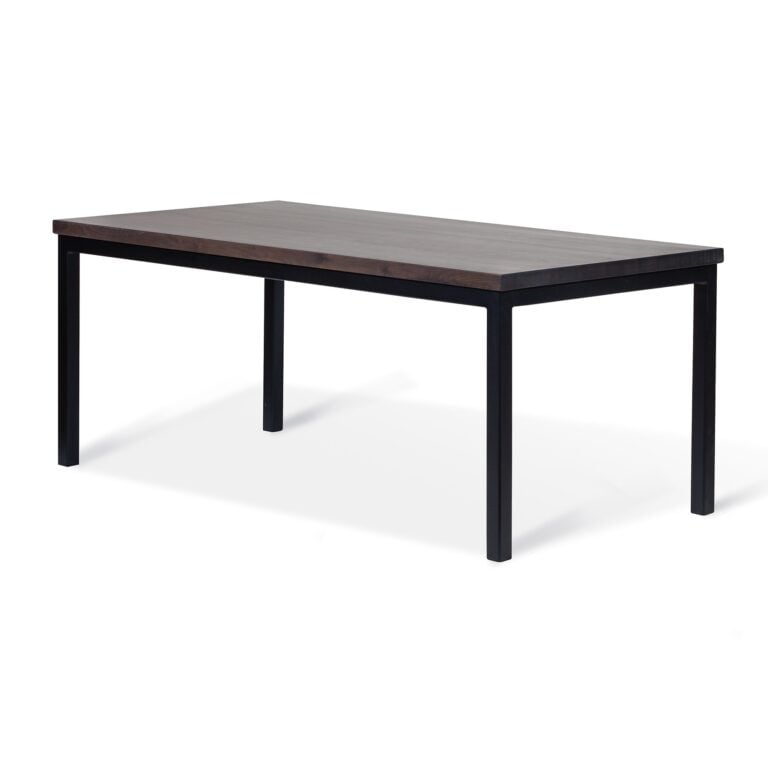
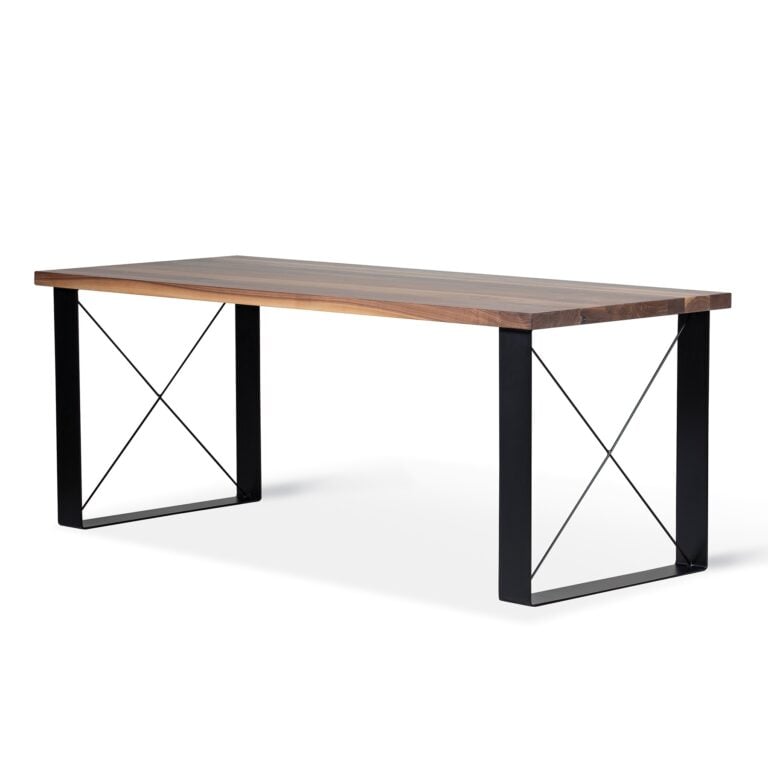

Visit our communal restaurant tables page for a larger selection and remember, every communal table we craft is custom!
- Breweries and beer halls are characterized by an abundance of communal tables, which are frequently a focal point of their design. Communal tables maximize seating capacity, improve the social atmosphere, and cater to the local community. They foster camaraderie and shared experiences among guests as patron engagement hubs. These establishments frequently encourage interaction and conversation, not only about beers but also about local events, culture, and interests. In these settings, a communal table is more than just a seating arrangement; it is part of creating a vibrant, community-oriented environment where new friendships can be formed, and local culture can flourish.
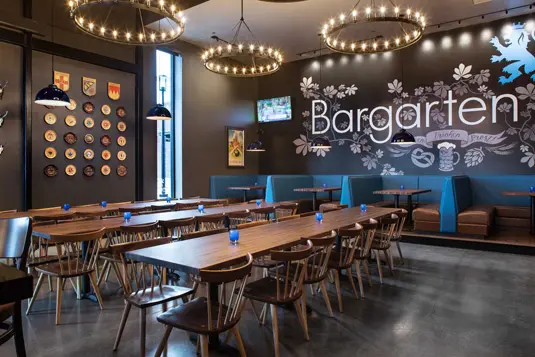
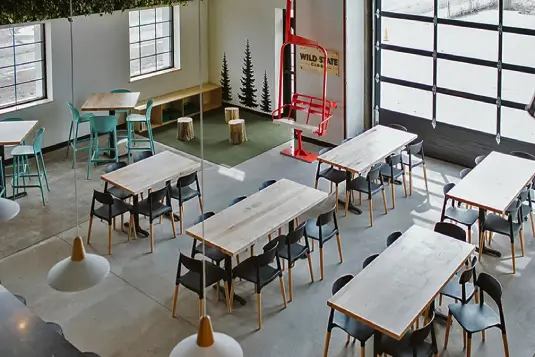
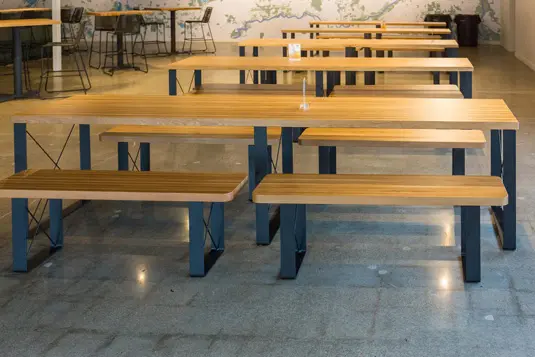
Visit our communal restaurant tables page for a larger selection and remember, every communal table we craft is custom!
3. Office or Workplace
- In larger offices and workplaces, a communal table supports daily collaboration. Teams gather quickly, share ideas, and move projects forward. Moreover, open seating reduces friction between departments. It invites spontaneous conversations and faster decisions. Therefore, managers see stronger alignment and clearer ownership. Use the space for standups, brainstorms, and quick huddles. Also, schedule casual breaks that refresh focus and morale. Provide power, lighting, and durable bases to handle traffic. For heavy tops, consider the FLAT Tech CT2071 for stability. It keeps tables level during moves and protects layouts. Furthermore, the format signals openness and inclusion. People feel welcome, connected, and proud of the work. Consequently, productivity rises and culture strengthens. Employees leave with a sense of belonging each day.
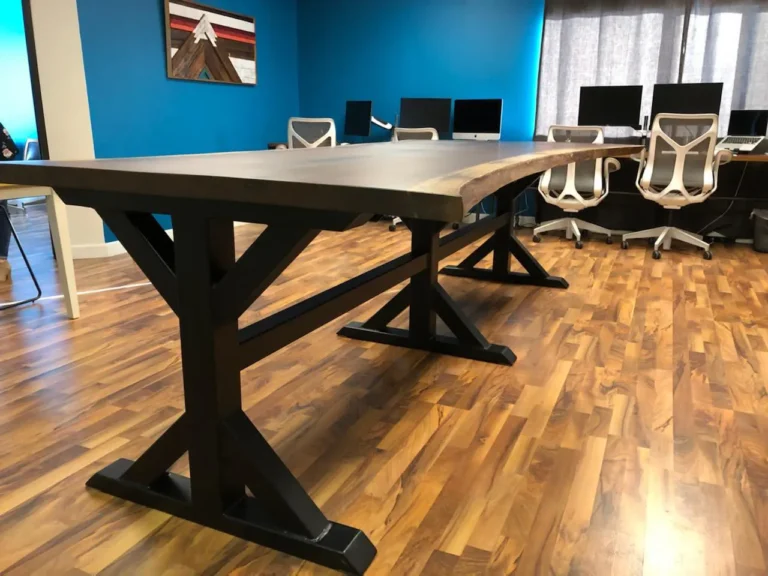

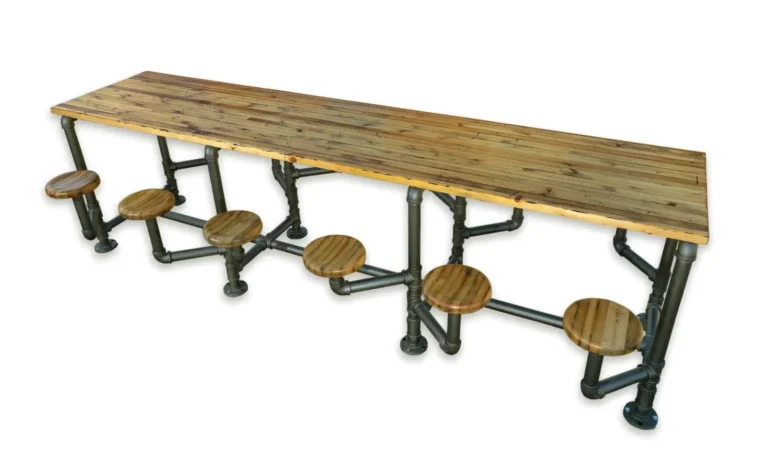
Pros and cons of communal seating for restaurants
- Enhanced Social Interaction
- Space Efficiency and Increased Seating Capacity
- Attracts a Younger, Socially Conscious Crowd
- Operational Efficiency
- Versatility for Events
- Sets your space apart from the competition.
- Better Customer & Employee Flow
- Community-Centric Brand Image
- Privacy Concerns
- Dining experience may not suit everyone or every restaurant
- Potential for negative interactions
Communal seating
Seating at communal tables is crucial to restaurant design, affecting both functionality and ambiance. Community tables are naturally flexible, accommodating a wide range of customer needs and preferences. Bench seating is a popular space-saving option that promotes relaxation and community. Benches can fit more diners than chairs and make movement easier in tight spaces. Individual chairs offer flexibility and privacy for those who prefer a defined seating area. To balance sociability and privacy, arrange them with at least 24 inches per seat to ensure comfort without overcrowding. Combining bench seating on one side of the table with chairs on the other gives customers flexibility. As an expert, restaurant owners must consider their target audience and dining style when choosing seating. The diner’s experience can be greatly affected by the choice of benches and chairs and the spacing, reflecting the restaurant’s commitment to customer comfort and satisfaction.
Conclusion
Communal tables do more than hold plates. They help owners shape memorable, efficient dining rooms. The benefits extend well beyond seating. They maximize space, boost revenue, and improve guest flow. They also elevate the customer experience with lively, modern energy. Moreover, the format aligns with today’s social habits and design cues. For ideas that match this approach, review our restaurant design trends. Therefore, communal tables are a smart, future-ready choice for operators.
FAQ
What is a communal table?
A communal table is a large table in a restaurant or other establishment that is intended for shared seating between several parties or dining groups.
Why are communal tables popular in restaurants?
In addition to maximizing available space, communal tables promote social interaction among patrons and frequently foster a happier and more lively dining experience.
What size is considered a large restaurant table?
Large restaurant tables are longer than 6 feet and typically range from 8 to 12 feet in length to accommodate larger groups or communal dining.
What are the advantages of long restaurant tables for a restaurant?
Long restaurant tables are convenient for accommodating larger groups of patrons, facilitate easy service, improve traffic flow, encourage social interaction, and can be used for a variety of occasions.
What is the difference between a communal table and a community table?
Both terms refer to large tables in a public dining area that are meant to be shared by multiple parties; there is no real distinction between them.
How does communal seating impact the dining experience?
As a result of encouraging social interactions among diners, communal seating frequently results in a livelier and more interesting dining experience.
What are communal charging tables?
Communal charging tables are equipped with charging stations, allowing diners to charge their electronic devices while dining, enhancing convenience.
Can custom communal tables be designed to fit a specific restaurant design?
Custom communal tables can be created to fit the size, style, and design specifications of a particular restaurant.
Are communal tables appropriate for upscale dining establishments?
Fine dining establishments can make good use of communal tables, particularly if they want to foster a more laid-back and social atmosphere. They are frequently also used in the restaurant’s private dining sections.
How do restaurants manage privacy concerns with communal tables?
To address privacy concerns that arise from the use of communal tables, restaurants can balance communal and private dining areas in their design, offer optional seating, or use strategic seating arrangements.
What kind of materials are big restaurant tables usually made of?
Most of the time, metal and wood are used to make big restaurant tables because they can be easily customized. Choices are often based on durability, aesthetics, and the restaurant’s overall design.
What role do communal tables play in the design of a restaurant?
Communal tables are often placed centrally to serve as a focal point, or strategically to optimize space and flow in the dining area.
What are the advantages of communal tables for restaurant owners?
In addition to providing more seating, communal tables can improve the ambiance of the dining area and draw in diners looking for a social meal.
How can communal seating be made comfortable for diners?
It is possible to improve the experience of communal seating with well-placed tables, comfortable seating, and plenty of space between diners.
Do communal tables work well in small restaurants?
Since communal tables can accommodate more people in a smaller area than individual tables, they can be useful in cramped settings.
What should be considered when designing unique communal tables?
Size, material, durability, the layout of the restaurant, and the type of meal that is intended are all design considerations.
Are restaurants starting to adopt communal charging tables as a trend?
Due to their practicality and usefulness, communal charging tables are growing in popularity as technology becomes more integrated into our daily lives.
What impact do communal tables have on a restaurant's noise level?
A restaurant’s noise level will typically increase with the use of communal tables as there is more social interaction, creating a lively atmosphere. To reduce noise levels by up to 50%, you can choose to add sound dampening to the underside of your restaurant tables and communal tables.
In what ways do communal tables fit into the dining trends of today?
The restaurant industry’s trend toward more informal, social, and interactive dining experiences is consistent with the addition of communal tables.
What are the challenges of using communal tables in a restaurant?
Managing the preferences of various groups, guaranteeing everyone’s comfort, and keeping a smooth service flow are challenges that need to be thought through during the design phase of your project.
What effect do communal tables have on a restaurant's layout?
The design and flow of a restaurant can be determined by communal tables, which frequently call for greater open space and thoughtful placement to encourage interaction and movement.
What types of restaurants are best suited for communal tables?
All restaurants can see the advantages of having communal tables, provided there is sufficient space for them. Community tables are a powerful addition to bistros, cafes, casual dining establishments, and contemporary restaurants because they foster a laid-back and social dining environment. Communal tables are useful for fine dining because they can accommodate large gatherings or private dining. They also do a fantastic job when serving a tasting menu.
Are communal tables more cost-effective for restaurant owners?
Since communal tables can seat more people in a smaller area and frequently require fewer individual tables and setups, they can be more economical and provide greater revenue.
How do communal tables facilitate networking in a professional setting?
Communal tables are perfect for networking events because they promote open communication and interaction between people in professional settings.
How do communal tables affect customer turnover in restaurants?
Because of the social atmosphere, communal tables can either increase turnover by seating more people or decrease it if people stay longer.
Are there any disadvantages to communal tables?
Some diners may prefer more privacy, and communal tables can present challenges in terms of service coordination and customer preferences.
How can communal tables be incorporated into a restaurant's design?
Communal tables can be designed to match the restaurant’s overall aesthetic, serving as a centerpiece that complements the design and ambiance.