Butcher Block Restaurant Table Tops

»

»

Butcher Block Restaurant Table Tops

Butcher Block Restaurant Tables bring warmth, consistency, and a clean edge-grain look to any dining room. Every single restaurant table is built in our Minnesota facility, finished in a smooth low-gloss sheen, and engineered for busy commercial use. To compare woods and explore options, visit our
Solid Wood Table Tops hub or review the complete Buyer’s Guide.

🔆Featured Answer

Butcher block tables remain timeless because quarter-sawn lumber offers natural beauty, grain consistency, and the unmatched stability created by 3/4″ staves.

 
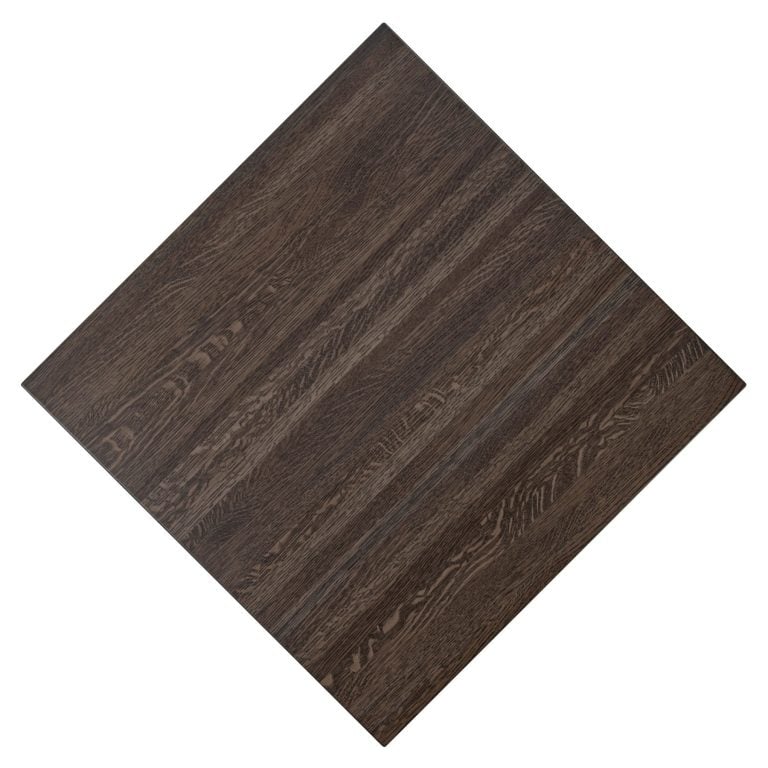
Butcher block nutty oak restaurant tables (BBNO).
Nutty Oak Butcher Block Tabletops
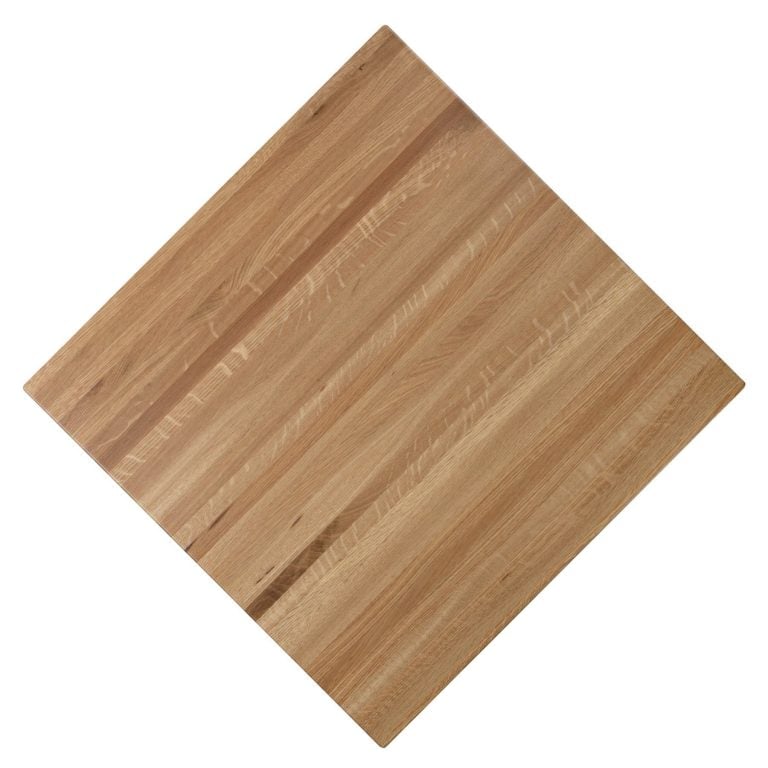
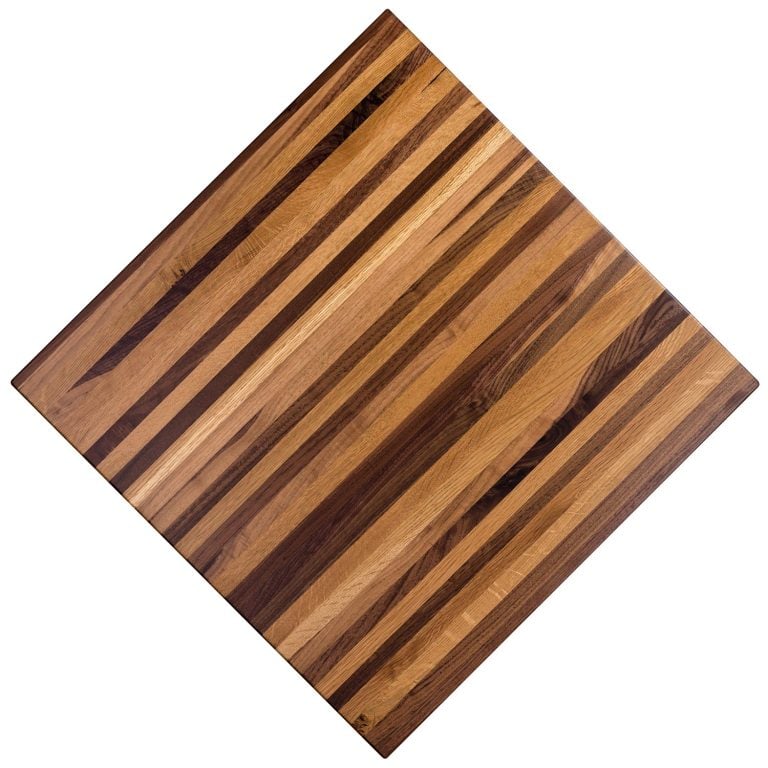
24x24 oak butcher block restaurant tabletop, original finish, overhead flat view.
Oak Butcher Block Original Tabletops
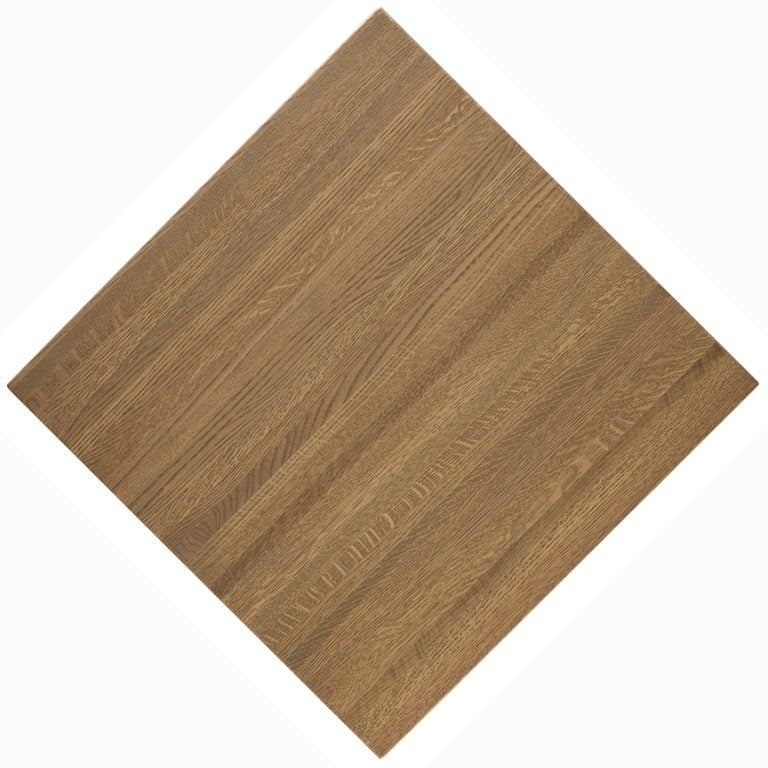
Butcher block oak in the Toffee finish, top view, revised (BBO_TF_top).
Oak Butcher Block Toffee Tabletops
Quick-ship mixed plank red oak Distressed Charcoal tabletops (MPO).
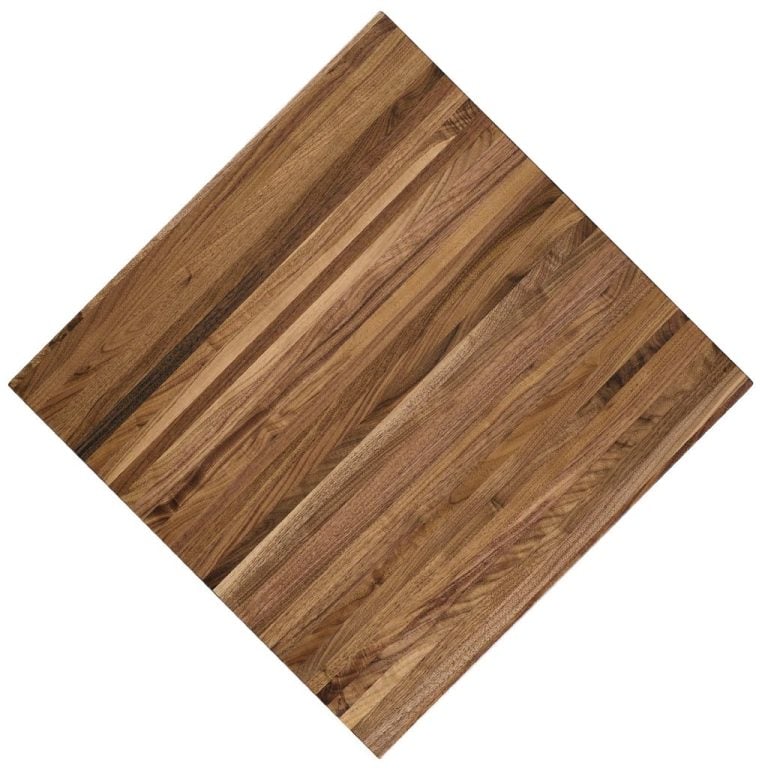
Walnut Butcher Block Original Tabletops
Oak butcher block in pecan color — butcher block.
Oak Butcher Block Pecan Tabletops
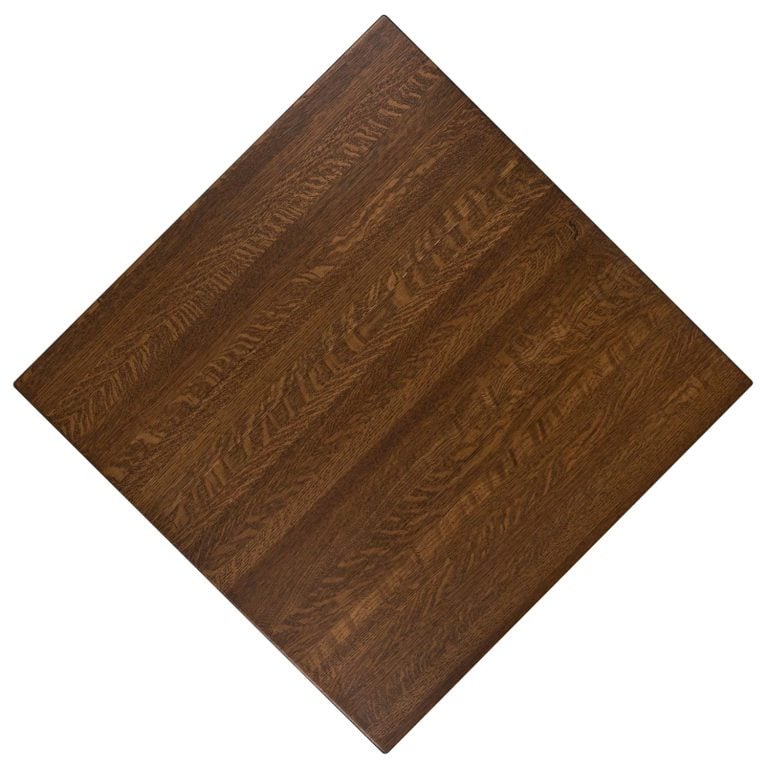
flat view of Bourbon butcher block oak restaurant tabletops (BBO-BR).
Oak Butcher Block Bourbon Tabletops
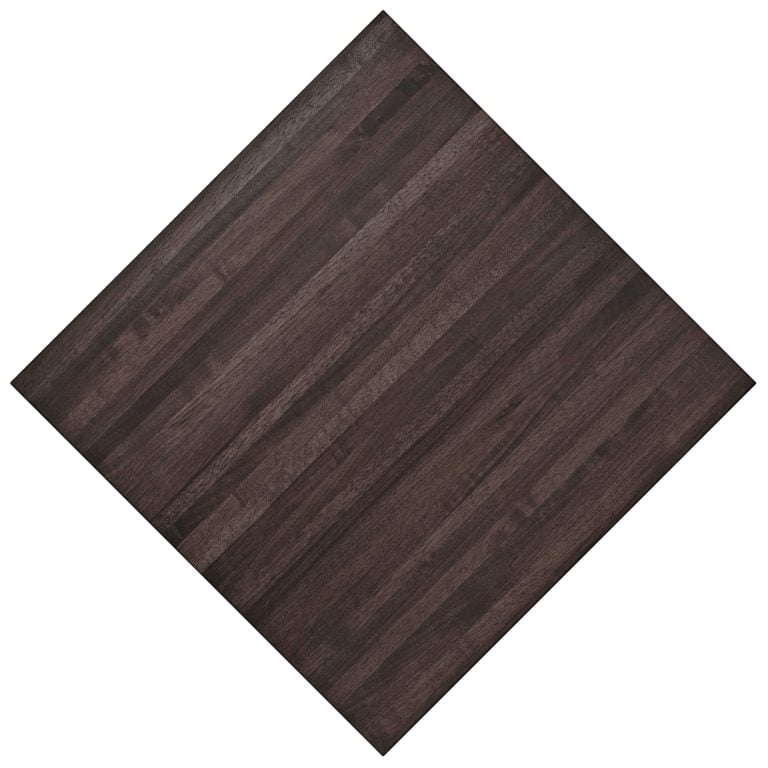
BBW – CH – Butcher – Block – Walnut – Chocolate – 02 — butcher block
Walnut Butcher Block Chocolate Tabletops
Request a Quote!

Core Specifications

  • 1 3/4″ thick, other thicknesses available on request.
  • 3/4″ stave width for balanced structure.
  • Built with 100% quarter-sawn lumber for strength and beauty.
  • Industrial matte polyurethane finish resists heat, moisture, and daily use.
  • Full-plank ends deliver clean grain flow and lasting flatness.

Why Butcher Block Tables Deliver Results

Butcher block restaurant tables use 3/4″ edge-grain staves that stay stable and visually calm across busy dining rooms. Each top is built from full-length, quarter-sawn lumber that keeps grain movement predictable and long-term durability exceptional. Standardized specifications allow multi-location brands to reproduce the same look, color, and finish without variation. See our gallery to preview real installations and lighting environments.

  • Consistent stave layout keeps the room visually balanced.
  • Matte commercial finish limits glare and supports daily cleaning.
  • Quarter-sawn construction provides unmatched dimensional stability.

🔆 Design Insight

Many designers choose butcher block for timeless character, valuing its predictable performance and consistent grain behavior across different lighting conditions.


Why These Species

Walnut and oak remain the leading choices for butcher block restaurant tables due to their strength, workability, ability to stain evenly, and most importantly, their exceptional grain patterns. Walnut delivers a warm color with refined grain detail, while oak offers bright tones and outstanding stability and strength. Both species pair well with mixed installations that include Classic Line tops, such as Classic Maple Walnut or Classic White Oak Pecan. These combinations help multi-location projects match tone, lighting behavior, and long-term wear expectations.

  • Walnut – Deep color, smooth grain, and designer-preferred warmth.
  • Oak – Bright, strong, and versatile in both natural and stained finishes.

🔆 Pro Tip

When planning for butcher block tables, choose your product after confirming lighting and intensity. This ensures consistent tone across seating zones and multi-location rollouts.

With more than 2,500 restaurant projects completed, TimeWorn Wood continues to lead in quarter-sawn butcher block craftsmanship. Explore additional styles, finishes, and species options in the Custom Wood TableTop collection.


Request a Quote!

FAQs

What defines a butcher block restaurant tabletop?
Butcher block tops are built from 3/4″ edge-grain staves that create clean lines and a modern, consistent flow across the surface. Because every board is quarter-sawn, the grain stays stable and the ray-fleck detail shows beautifully under restaurant lighting.
How does butcher block differ from wide plank or mixed plank designs?
The difference comes from stave width and grain direction. Butcher block uses narrow 3/4″ edge-grain staves, while wide plank and mixed plank formats use 3–6″ flat-sawn boards with more visible grain movement. Designers choose butcher block for a cleaner look and use wide plank when they want a more organic, natural feel.
Which colors and species work best for butcher block in commercial spaces?
Walnut offers the warmest, most uniform tone for upscale interiors, while oak butcher block delivers durability and bright color options at a lower cost. Although maple butcher block is not offered, any stain from our Classic Line can be matched on oak or walnut to create a unified palette across your dining room.
How should butcher block tabletops be cleaned and maintained?
Our commercial matte finish handles daily heat and cleaning, but gentle products extend long-term clarity. Soap and water remain the best option for routine care. For complete care guidelines, see our Care & Cleaning page.
Which butcher block option performs best in high-wear restaurant environments?
Oak Butcher Block in its Original color hides scratches more effectively than darker stains and performs exceptionally in busy dining rooms. For concepts that experience heavier nightly traffic, consider our Distressed tabletops which mask scuffs even more effectively.